PREORDER NOW: Bored of Lunch Prep & Go📚
PREORDER NOWBlog / How to Stop Food Waste: Easy Recipes to Use Up Every Ingredient
How to Stop Food Waste: Easy Recipes to Use Up Every Ingredient
In this guide, we’re diving deep into practical, creative, and genuinely delicious ways to rescue your food before it hits the bin. From air-fried veggie crisps to slow cooker soups, crispy potato peel hacks, and cosy apple pie rolls, you’ll walk away with a kitchen full of ideas… and far less guilt.
Easy Recipes to Use Up Every Ingredient in the Fridge
Every year on April 28, Stop Food Waste Day reminds us of something we already feel in our gut – throwing away food just feels wrong. Whether it’s a bag of spinach that’s gone limp, potatoes sprouting in the cupboard, or apples that have lost their crunch, we’ve all been there.
But here’s the good news… most “past-their-best” food isn’t actually waste. It’s opportunity.
Why Food Waste Matters (More Than You Think)
Before we get into the recipes, let’s zoom out for a second. Food waste isn’t just about money – it’s about impact. Households are responsible for a significant portion of food waste globally, and when food is thrown away, it’s not just the ingredients that are lost. Wasted food also means wasted water, energy, and labour, all of which went into producing it. On top of that, food waste contributes to greenhouse gas emissions, making it an environmental issue as much as a practical one. The best part, though, is that small changes at home can make a massive difference – and it all starts with rethinking what “gone bad” really means.
One of the biggest barriers to reducing food waste is simply perception. We’re quick to label wilted vegetables as inedible, soft apples as compost, and potato peels as something destined for the bin. But in reality, these foods still have plenty of life left in them. Wilted vegetables can be perfect for crisping or turning into soups, soft fruit is ideal for baking, and scraps are often packed with flavour. Once you start seeing food this way…. not as waste, but as potential ingredients – everything changes.
How to Air Fry Wilting Vegetables Into Crisps
Let’s start with one of the easiest (and most addictive) ways to reduce food waste: homemade veggie crisps. If you’ve got vegetables that are starting to wilt, this simple air fryer method transforms them into crispy, flavorful snacks in minutes.
What Vegetables Can You Use for Veggie Crisps?
One of the best things about this zero-waste recipe is its flexibility. Almost any vegetable can be turned into crisps, making it perfect for using up leftovers.
Great options include carrots, courgettes, kale, spinach, parsnips, beetroot, and sweet potatoes. Even slightly limp greens work beautifully, as they’ve already lost some moisture… making them ideal for crisping up quickly in the air fryer.
How to Make Crispy Veggie Chips
Making veggie crisps at home is simple and requires very little prep. Follow these steps for perfectly crispy results every time.
Start by washing your vegetables thoroughly, then dry them completely. This step is crucial, as moisture is the enemy of crispiness and can lead to soggy chips.
Next, slice your vegetables as thinly as possible. A sharp knife works well, but a mandoline is ideal for getting even, consistent slices that cook at the same rate.
Lightly coat the slices with oil (just a small drizzle is enough). Adding too much oil can make the crisps greasy rather than crunchy.
Season generously with salt, and add extra flavor with spices like paprika, garlic powder, nutritional yeast, or chili flakes depending on your taste.
Place the slices in your air fryer and cook at 160–180°C (320–356°F) for 8–15 minutes, depending on the type of vegetable. Be sure to shake the basket halfway through to ensure even cooking.
Pro Tips for Perfect Air Fryer Veggie Crisps
For the best texture and flavour, avoid overcrowding the air fryer basket. Cooking in batches allows the air to circulate properly, which is key to achieving that crispy finish.
Keep an eye on smaller or thinner pieces, as they tend to cook faster and can burn easily. Removing them early will help you avoid bitterness.
Finally, let the crisps cool slightly after cooking. They will continue to crisp up as they sit, giving you that perfect crunch.
Why Air Frying Wilted Vegetables Works So Well
If your vegetables are starting to look a little sad, don’t throw them away – this is actually when they’re at their best for making crisps. As vegetables lose moisture over time, they become better suited for high-heat cooking methods like air frying.
Less water means faster evaporation and, ultimately, a crispier texture. It’s a simple but powerful way to turn “wilted” produce into something genuinely delicious while cutting down on food waste.
Slow Cooker Soups: The Ultimate “Clear-Out” Meal
Slow cooker soups are one of the easiest and most effective ways to reduce food waste while creating a healthy, budget-friendly meal. If your fridge is full of leftover vegetables, slightly soft produce, or odds and ends that need using up, a slow cooker soup is the perfect solution.
Simply combine ingredients like onions, garlic, and any vegetables you have on hand – such as carrots, potatoes, greens, or tomatoes… add stock, and let your slow cooker do the work. This hands-off method not only saves time but also helps extract maximum flavour from ingredients that might otherwise be thrown away. It’s a simple, sustainable way to turn leftovers into nourishing meals while cutting down on waste and saving money.
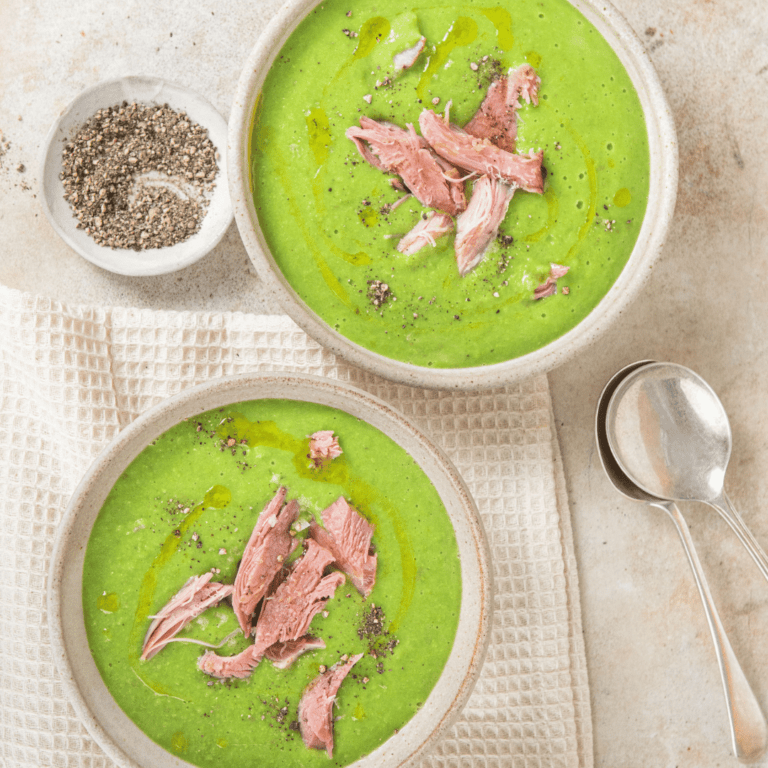
Slow Cooker Pea & Ham Soup
Slow Cooker Pea & Ham Soup is the perfect example of how simple ingredients and leftovers can be transformed into a hearty, comforting meal while helping to reduce food waste. It’s a budget-friendly, freezer-friendly dish that turns what might be considered scraps into a deeply satisfying meal, proving that zero-waste cooking can be both practical and incredibly delicious.

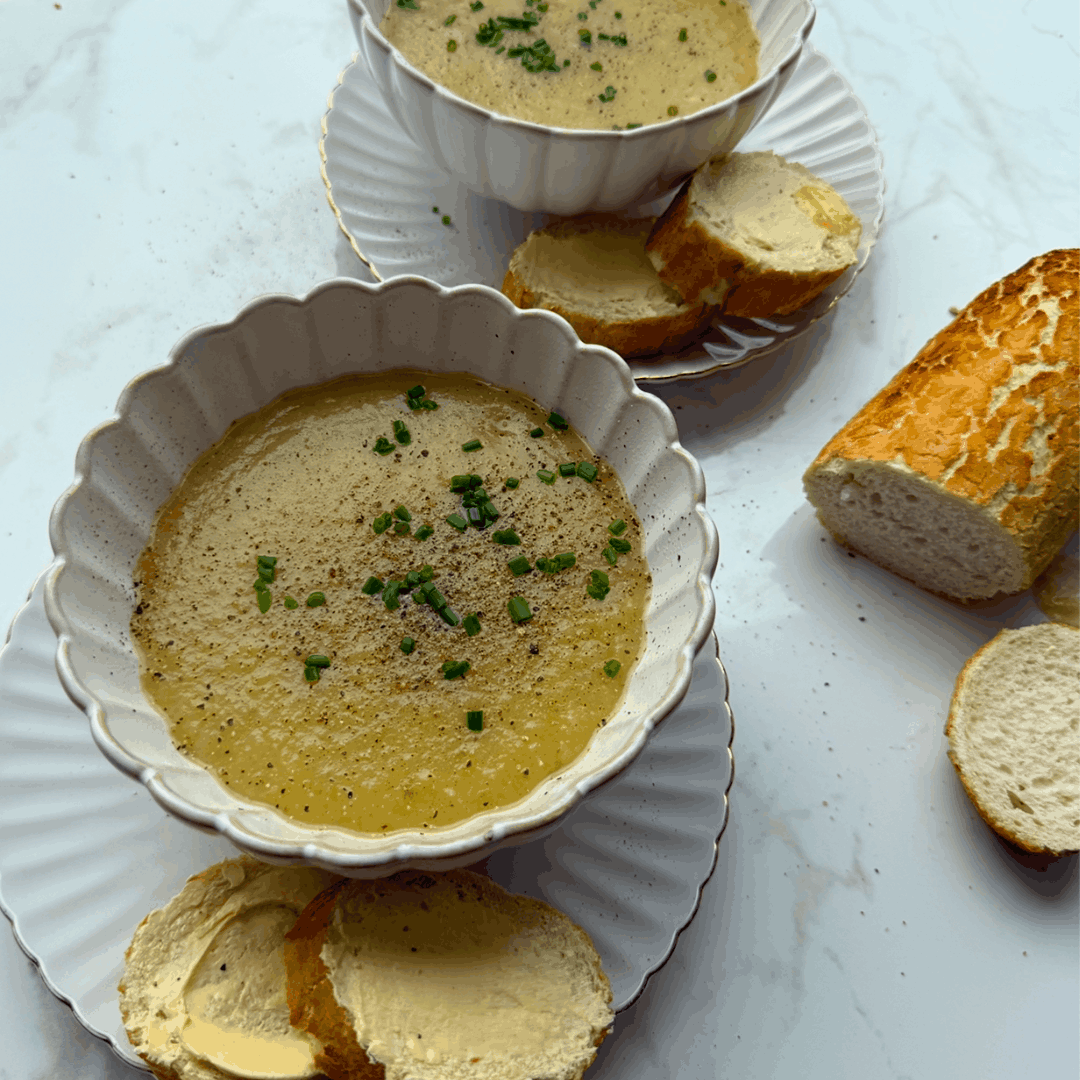
Slowcooker Celery Soup
Slow Cooker Celery Soup is a brilliant example of how an often-overlooked vegetable can be transformed into a delicious, waste-free meal. Celery is frequently bought for recipes and then left to wilt in the fridge, but this soup turns those leftover stalks—and even the leaves—into a light, comforting dish with minimal effort.

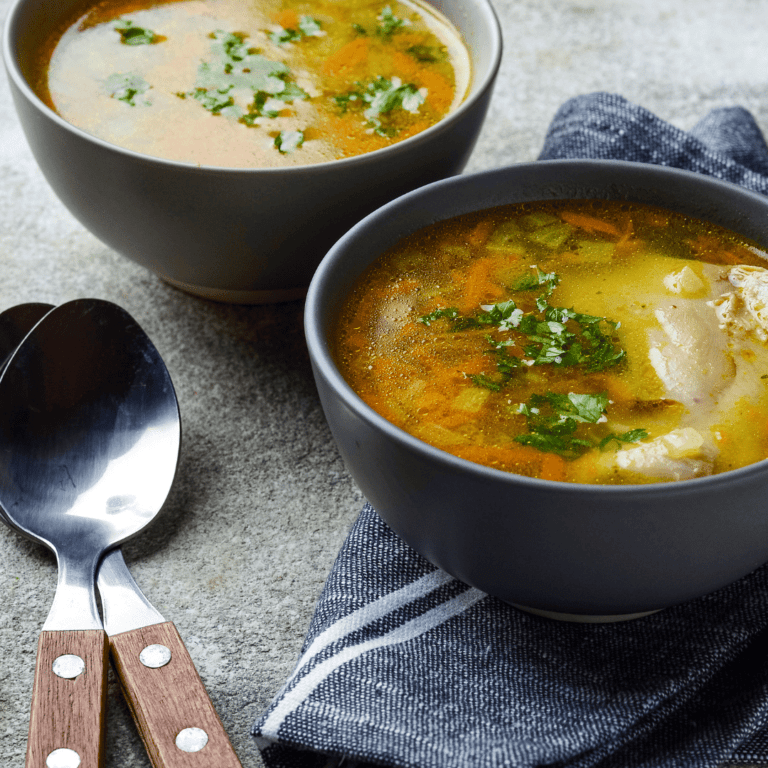
Slow Cooker Vegetable Soup
Slow Cooker Vegetable Soup is one of the most versatile and effective ways to reduce food waste while turning leftover ingredients into a nourishing, hearty meal. It’s the perfect “use what you have” recipe – ideal for any vegetables that are slightly wilted, leftover cooked veg, or odds and ends sitting in the fridge that need using up.
More Slow Cooker Soups to Try
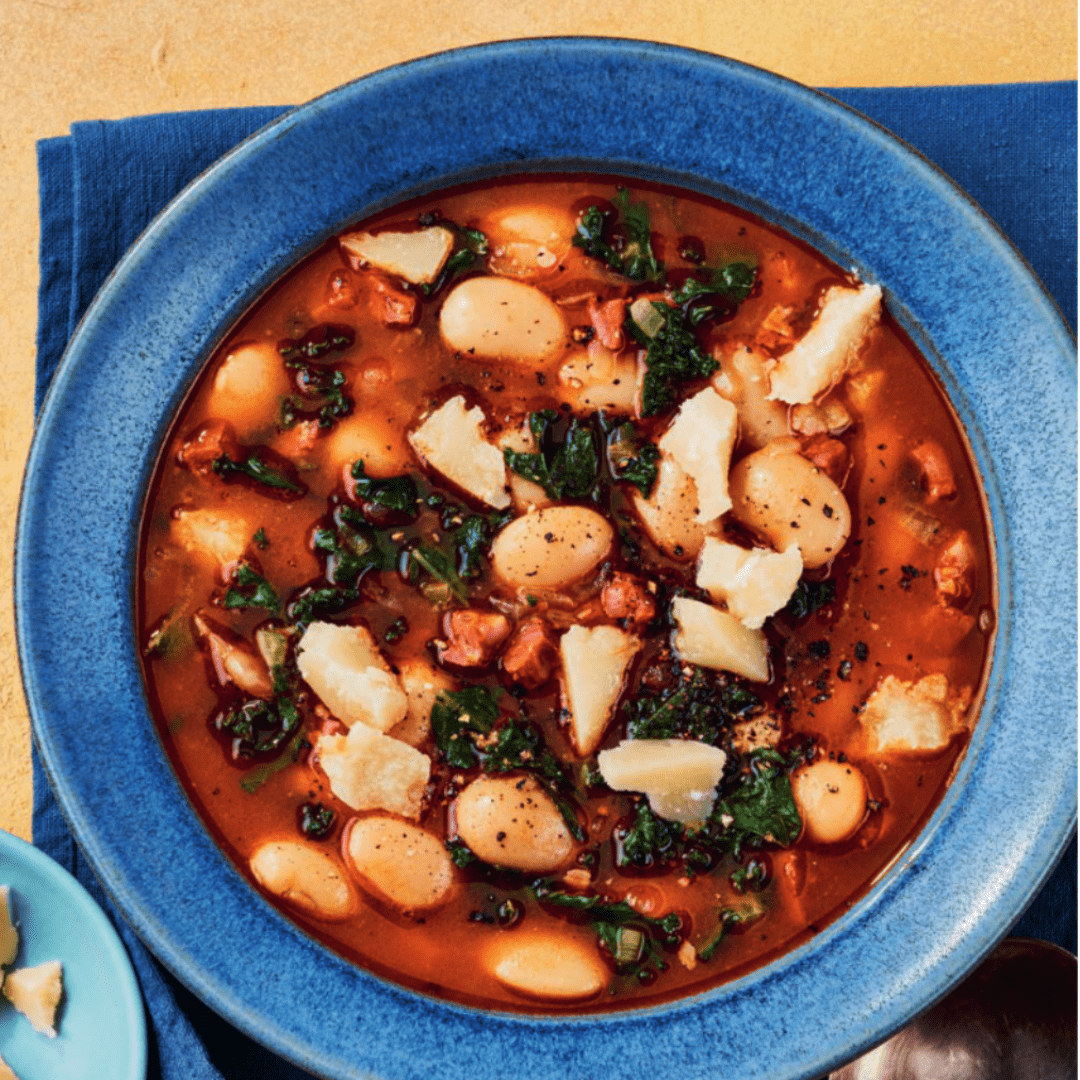
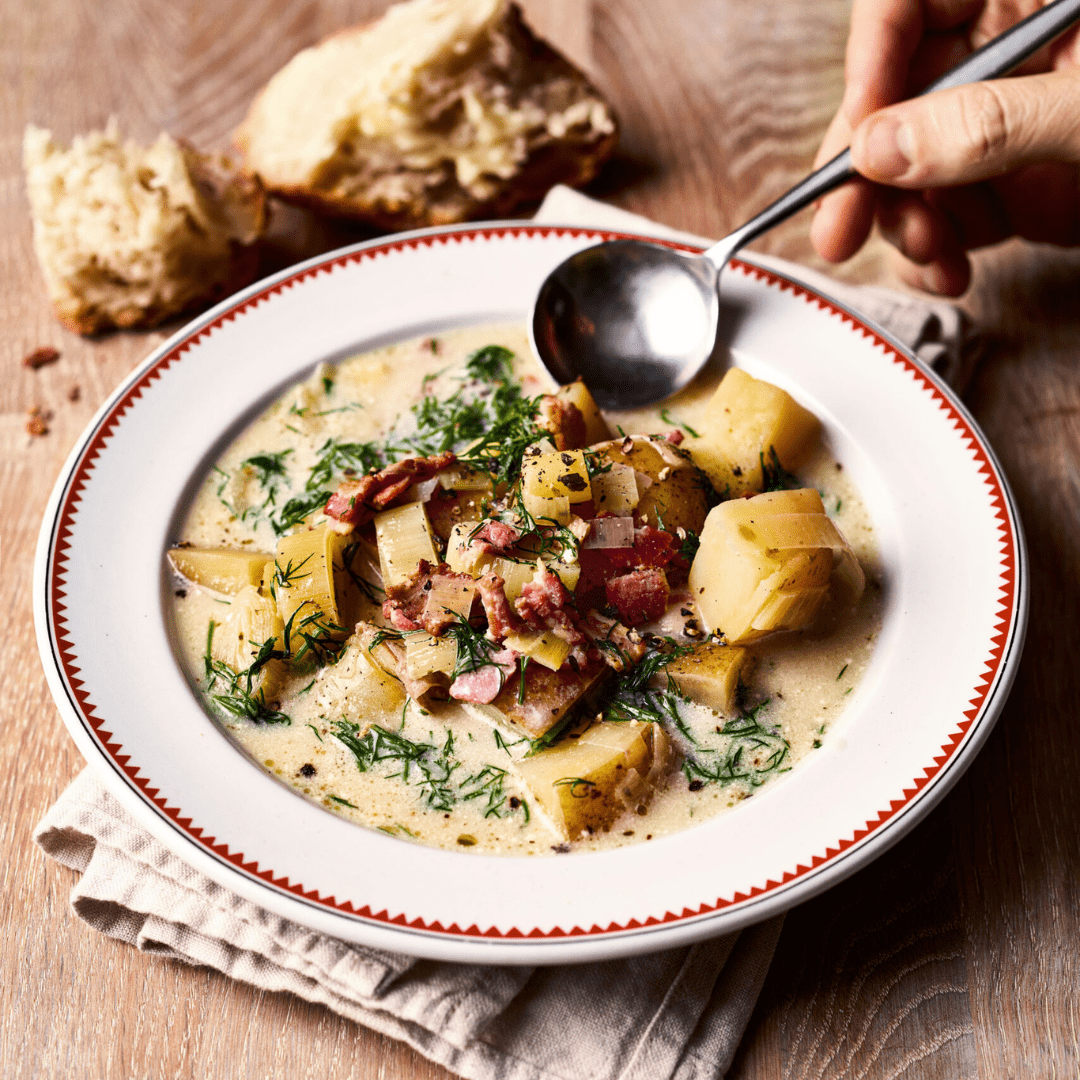
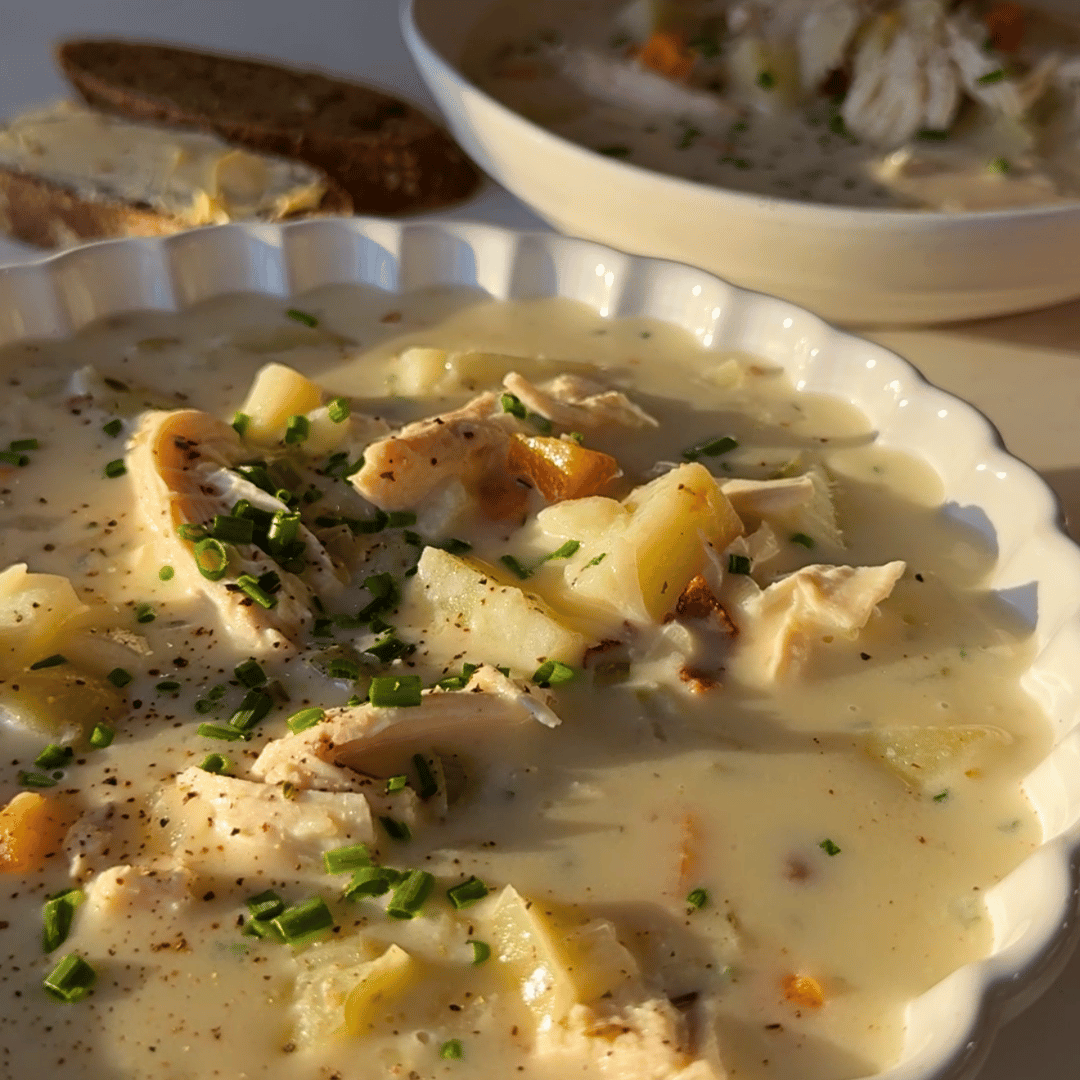
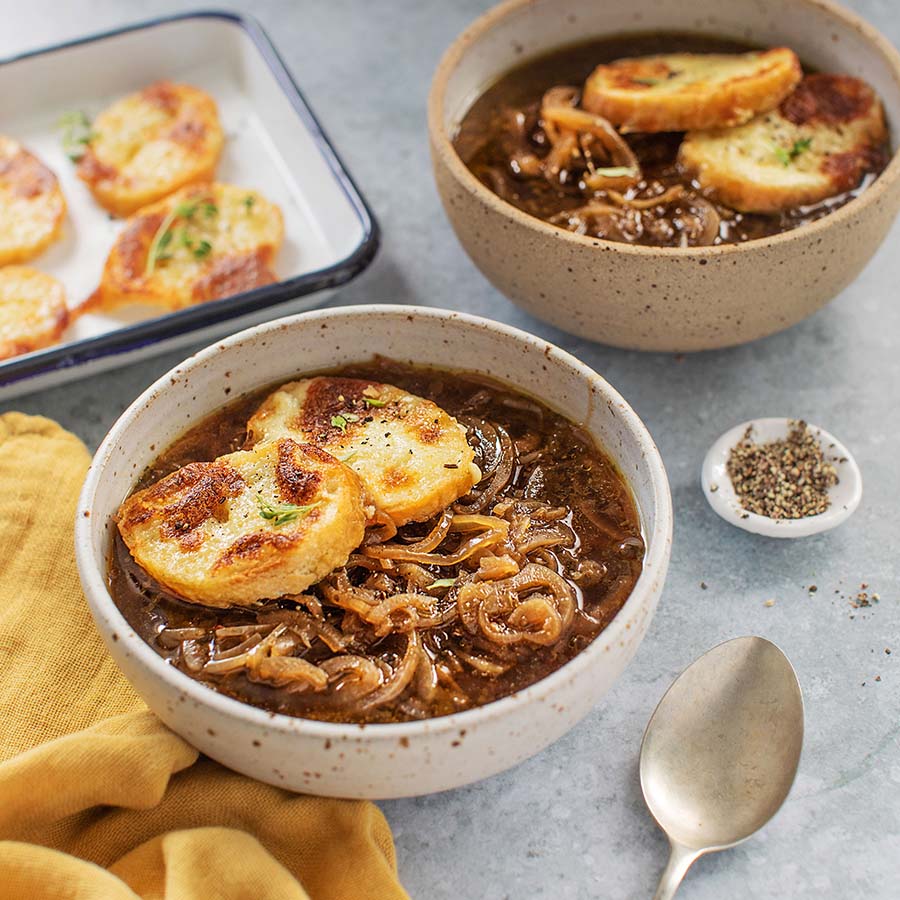
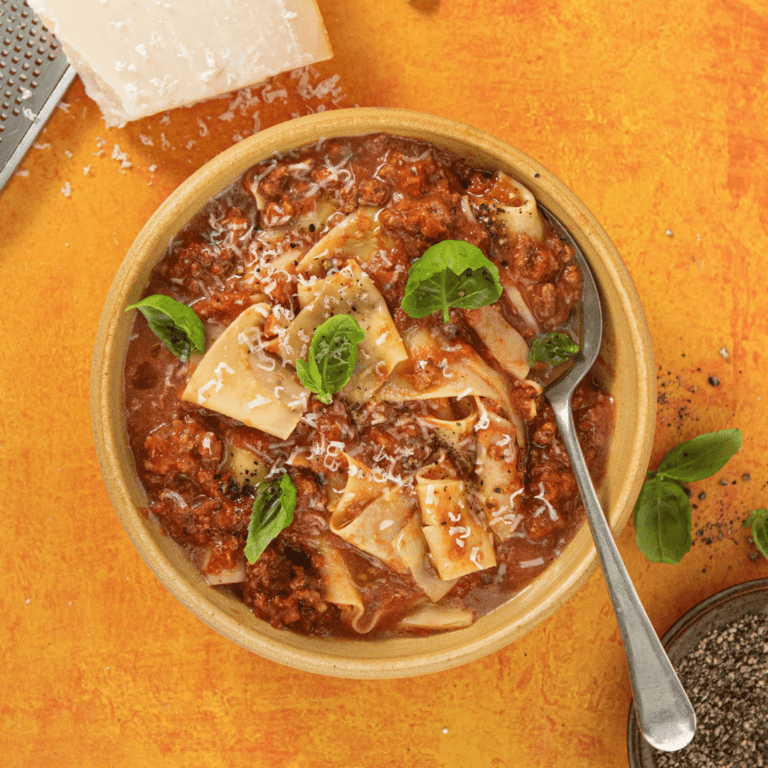
For more easy slow cooker soups – here are some popular Bored of Lunch soup recipes you can try. Whether you prefer chunky, rustic soups or smooth, blended bowls, experimenting with different combinations is an easy way to stay inspired, reduce food waste, and make sure no vegetable gets left behind.




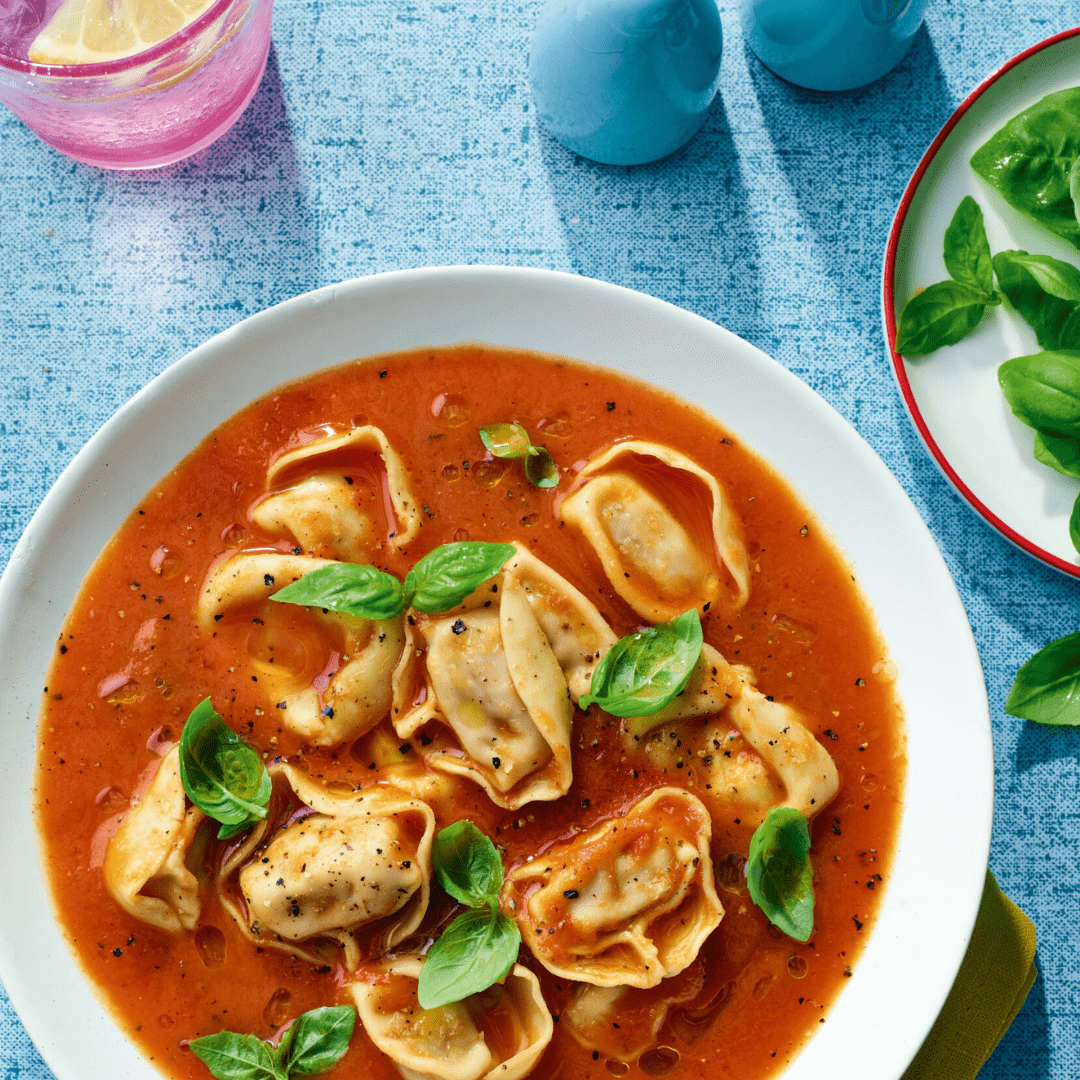
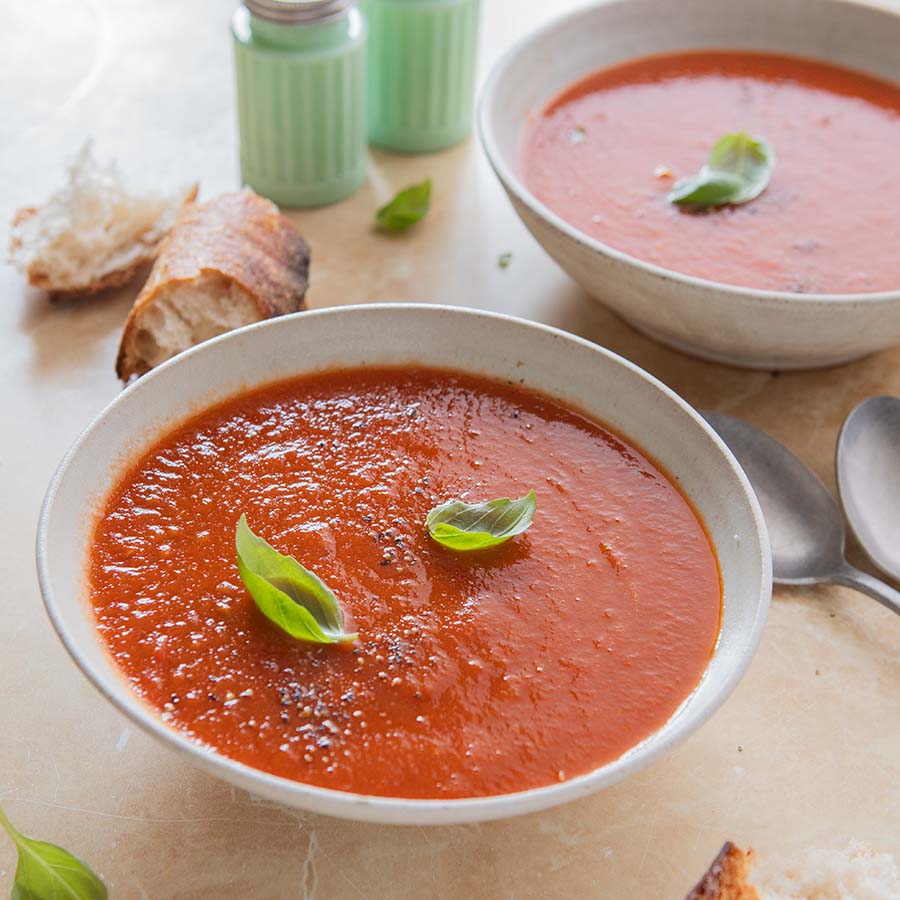
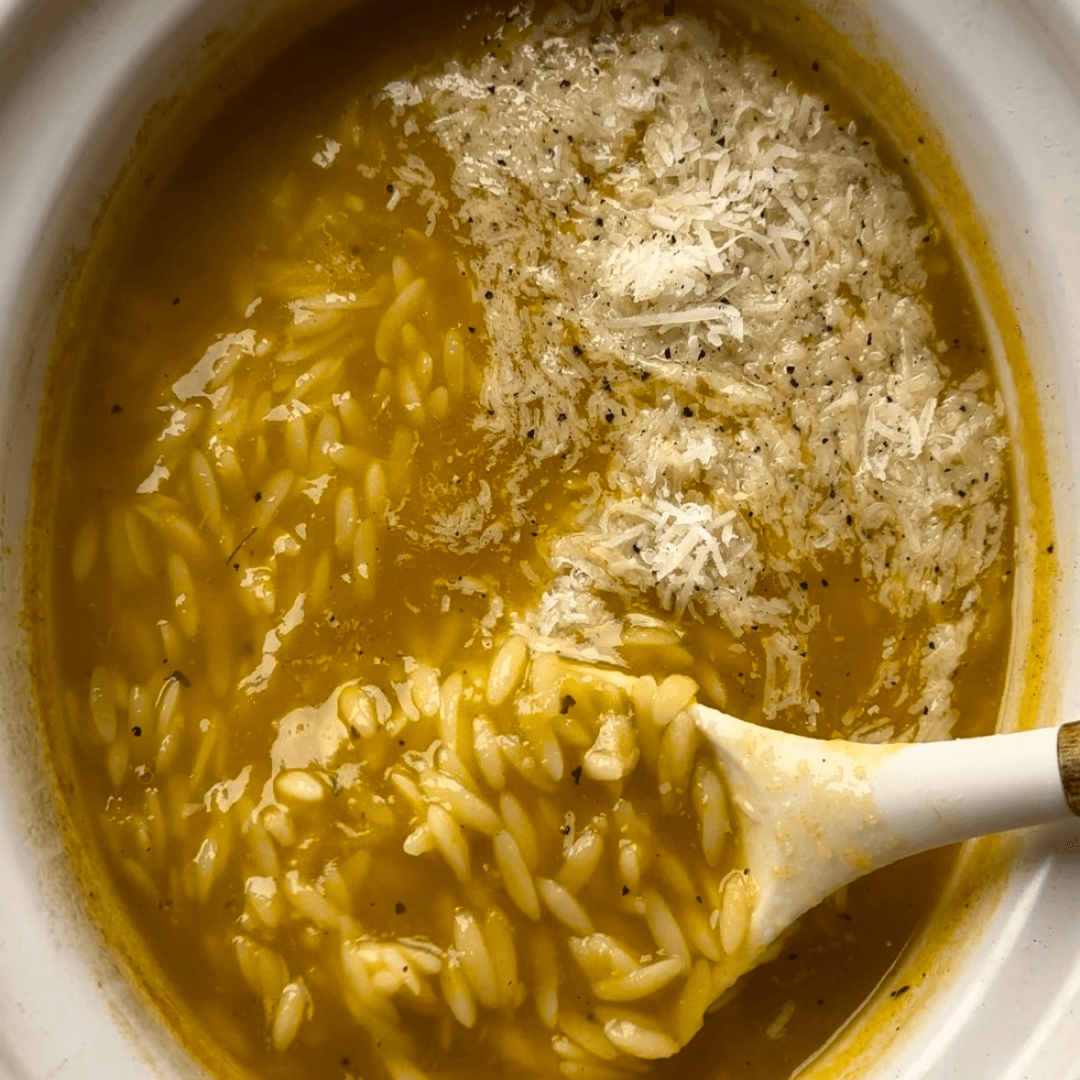
More Genius Food Waste Hacks to Reduce Kitchen Waste
If you’re serious about cutting down on food waste, having a few simple kitchen hacks up your sleeve can make all the difference. These easy zero-waste tips help you get more out of the ingredients you already have, reduce what ends up in the bin, and stretch your food further without extra effort.
How to Revive Wilted Greens
Wilted greens don’t have to be thrown away – they often just need a little refresh. Simply soak lettuce, herbs, or spinach in a bowl of ice water for 10–15 minutes. This helps rehydrate the leaves, restoring their crisp texture and making them perfect again for salads, sandwiches, or cooking. It’s a quick and effective way to save greens that look past their best but are still perfectly usable.
How to Freeze Food to Stop Waste
Freezing is one of the easiest ways to extend the life of ingredients and prevent food waste. Almost everything can be frozen with a little preparation. Herbs can be chopped and frozen in oil, overripe bananas are perfect for smoothies or baking, bread slices can be frozen and toasted straight from the freezer, and cooked rice can be portioned and stored for future meals. This simple habit helps you preserve food before it spoils and makes meal prep much easier.
How to Make Scrap Stock from Kitchen Leftovers
Instead of throwing away vegetable scraps, turn them into a flavourful homemade stock. Save onion skins, carrot ends, celery leaves, and other vegetable trimmings in a freezer bag until you have enough. Once collected, simmer them in water with herbs and seasoning to create a rich, homemade stock that can be used in soups, stews, and sauces. It’s an effortless way to reduce waste while building deeper flavour into your cooking.
What to Do With Stale Bread
Stale bread is far from useless—it’s actually incredibly versatile. You can transform it into crunchy croutons, homemade breadcrumbs, classic French toast, or even a comforting bread pudding. Instead of letting it go mouldy, repurpose it into something completely new and delicious. This simple swap is one of the easiest ways to reduce daily food waste in the kitchen.
How to Use Leftover Citrus Peels
Citrus peels are packed with flavour and have multiple uses beyond the bin. They can be zested into baking and cooking for extra freshness, infused into homemade cleaning sprays for a natural citrus scent, or even turned into sweet candied peel for desserts. By saving your orange, lemon, or lime peels, you can add flavour, fragrance, and function to your kitchen while reducing waste at the same time.
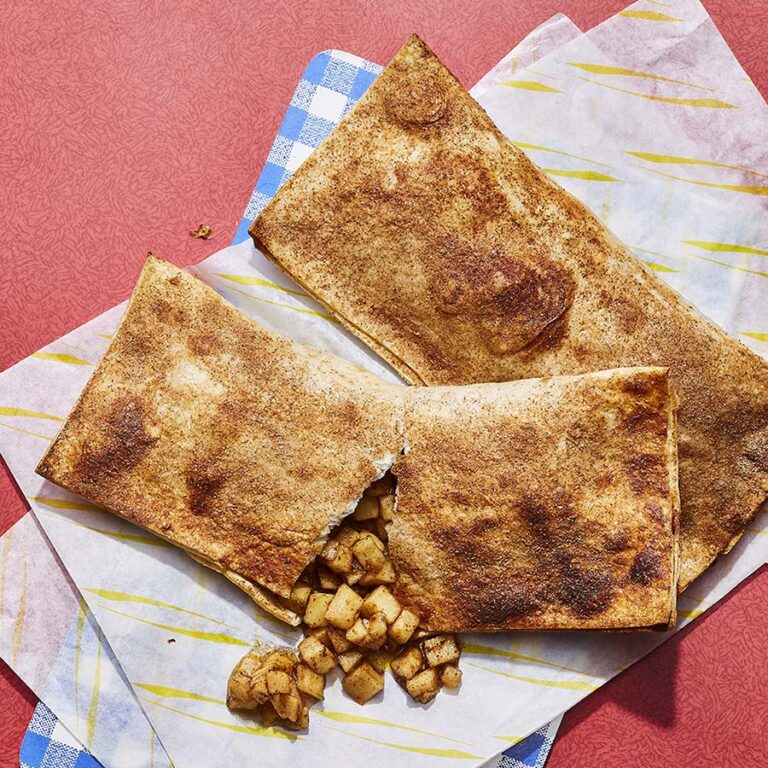
Leftover Apples? Make Apple Pie Rolls
If you’ve got apples that are starting to go soft or lose their crunch, don’t throw them away – turn them into warm, comforting apple pie rolls instead. This simple recipe is a brilliant way to use up leftover fruit while creating a quick homemade dessert that tastes like proper apple pie with a fraction of the effort.
Kitchen Staples for Reducing Food Waste
These essential kitchen staples make it easier to store food properly, repurpose leftovers, and turn ingredients that are nearing their end into something useful and delicious. When your kitchen is set up for success, reducing food waste becomes a natural part of your everyday routine rather than an afterthought.
Air Fryer for Quick Zero-Waste Recipes
An air fryer is one of the most effective tools for reducing food waste because it helps transform leftover or wilting ingredients into crispy, flavourful snacks in minutes. From vegetable crisps to roasted leftovers, it encourages you to use what you already have instead of throwing it away.
Slow Cooker for Easy Fridge Clear-Out Meals
A slow cooker is perfect for turning forgotten vegetables and scraps into hearty meals like soups, stews, and broths. It allows you to combine almost any ingredients, set it, and forget it—making it one of the simplest ways to reduce waste while cooking in bulk.
Freezer-Safe Containers for Food Storage
Freezer-safe containers help extend the life of your food by allowing you to store leftovers, batch-cooked meals, and surplus ingredients safely. Proper freezing prevents spoilage and ensures you always have ready-made meals or ingredients on hand when you need them.
Mason Jars for Smart Food Storage
Mason jars are ideal for storing everything from chopped vegetables and homemade sauces to overnight oats and scraps for stock. Their airtight seal helps keep food fresher for longer, making them a simple yet powerful tool in any zero-waste kitchen.
Compost Bin for True Food Waste Reduction
A compost bin is the final step in a low-waste kitchen system. While the goal is to use as much food as possible, composting ensures that unavoidable scraps are still put to good use by returning nutrients back to the soil. It’s an easy way to close the loop on food waste at home.

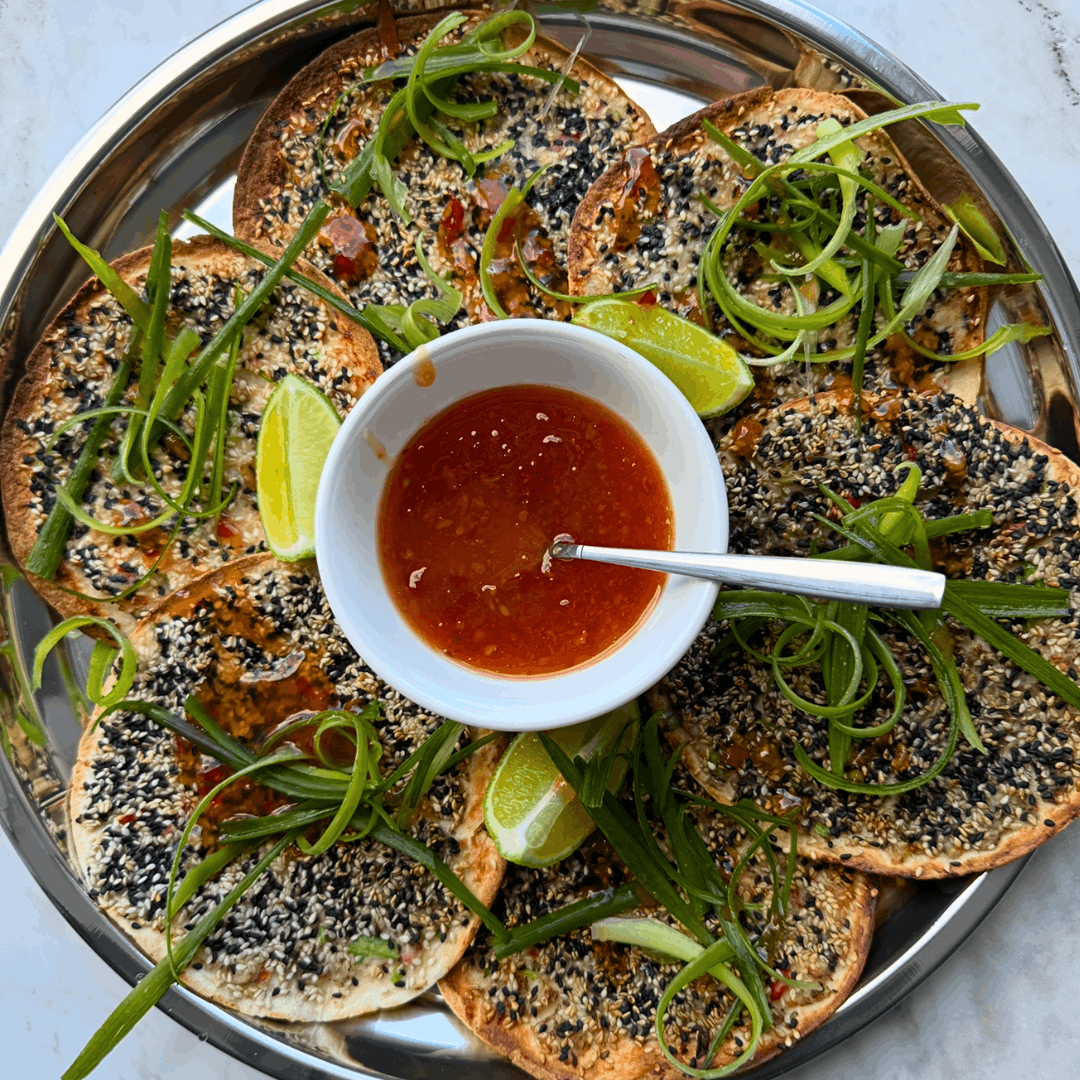
Air Fryer Potato Skins
You have to make these Air Fryer Potato Skins – super easy to make and such a tasty snack. You can even use veggies or sweet potatoes to mix things up, and this snack helps reduce food waste – talk about a win-win. So, grab your air fryer, pop in those potato skins, and get ready for a delicious treat that’s easy on prep and big on flavour.

AIRFRYER SPICES OUT NOW
SHOP NOW
Common Questions About Reducing Food Waste
When it comes to reducing food waste, many people have similar questions about what’s safe to eat, what can be saved, and how to build better habits in the kitchen. Understanding the basics can help you feel more confident using ingredients instead of throwing them away.
How Do I Know If Food Is Actually Bad?
The best way to tell if food is no longer safe to eat is to trust your senses. Check for any unusual smells, such as sour or off odours, and look closely at the texture – sliminess or visible mould are clear warning signs. If you are ever unsure, it’s better not to take the risk. It’s also important to remember that “best before” dates relate to quality rather than safety, meaning many foods are still perfectly fine to use after this date if they look and smell normal.
Can I Really Eat Wilted Vegetables?
Yes, in most cases wilted vegetables are still completely safe to eat as long as they are not spoiled. Wilting usually just means the vegetables have lost moisture and crispness, not that they have gone bad. This makes them ideal for cooking methods like soups, stews, roasting, or air frying, where texture is less important but flavour is still retained.
What Foods Should I NOT Try to Save?
While reducing food waste is important, food safety should always come first. You should avoid trying to save mouldy soft foods such as bread or berries, as mould can spread deeper than what is visible. Meat or fish with strong or unpleasant odours should also be discarded, along with any food that has been left out at room temperature for too long. When in doubt, the safest rule is always to throw it out.
Is Freezing Food Always Safe?
Freezing is one of the safest and most effective ways to preserve food and prevent waste. Most foods freeze well, but it’s important to label everything clearly and keep track of dates. For best quality, aim to use frozen foods within 2–3 months, although many items remain safe beyond this timeframe if stored properly.
How Can I Waste Less Without Cooking More?
Reducing food waste doesn’t always mean cooking elaborate meals. Simple habits like planning meals ahead, buying only what you need, and using leftovers creatively can make a huge difference. Not everything has to become a full recipe – sometimes small adjustments in how you store, reuse, and think about food are enough to significantly cut down on waste.
A Simple Weekly Anti-Waste Routine
Building a low-waste kitchen doesn’t have to be complicated. With a simple weekly routine, you can dramatically reduce food waste, save money, and make the most of what you already have at home. The key is consistency… not perfection.
Use-It-Up Day
Once a week, set aside a “Use-It-Up” day where you only cook from ingredients you already have in your fridge, freezer, and cupboards. This encourages creativity in the kitchen and ensures that forgotten items get used before they go off. It’s one of the easiest ways to reduce food waste without changing your entire routine.
Fridge Check Before Shopping
Before heading to the shops, take a quick scan of your fridge. Look for any aging ingredients that need to be used first and plan your meals around them. This simple habit prevents overbuying and helps you build meals around what you already own, rather than letting food go to waste.
Batch Cooking for Less Waste
Batch cooking is a powerful way to reduce food waste while saving time during the week. By making larger portions of soups, stews, or sauces and freezing them in batches, you ensure that ingredients are fully used and nothing gets forgotten in the back of the fridge. It also gives you ready-made meals for busy days.
Store Food Properly to Make It Last Longer
Proper storage plays a huge role in reducing waste. Keep herbs fresh by placing them in water, store leafy greens in containers lined with paper towels to absorb moisture, and keep potatoes in a cool, dark place to prevent sprouting. Small changes in storage can significantly extend the life of your food.
Happy Cooking!
Stop Food Waste Day isn’t about guilt—it’s about possibility. Your kitchen is full of second chances:
- Wilting veg becomes crispy snacks
- Scraps become soups
- Soft fruit becomes dessert
The goal isn’t perfection. It’s awareness. Start small. Stay curious. Get creative. And next time you reach for the bin, pause… you might be holding your next favourite recipe!!
Happy cooking 🙂
Nathan


Join the newsletter
Subscribe to the BoL newsletter for exclusive recipes, exciting competitions, and much more!