PREORDER NOW: Bored of Lunch Prep & Go📚
PREORDER NOWBlog / How I Made 30 Portions of Food for £25 at M&S
How I Made 30 Portions of Food for £25 at M&S
Can you really do a budget food shop at M&S? I decided to put it to the test, giving myself just £25 and challenging myself to make it stretch as far as possible. The result? 30 portions of food for £25.83. I made lunch for the week, a gorgeous bean ragu, cookies for my afternoon snack, and a freezer friendly soup using up all the leftover veg.
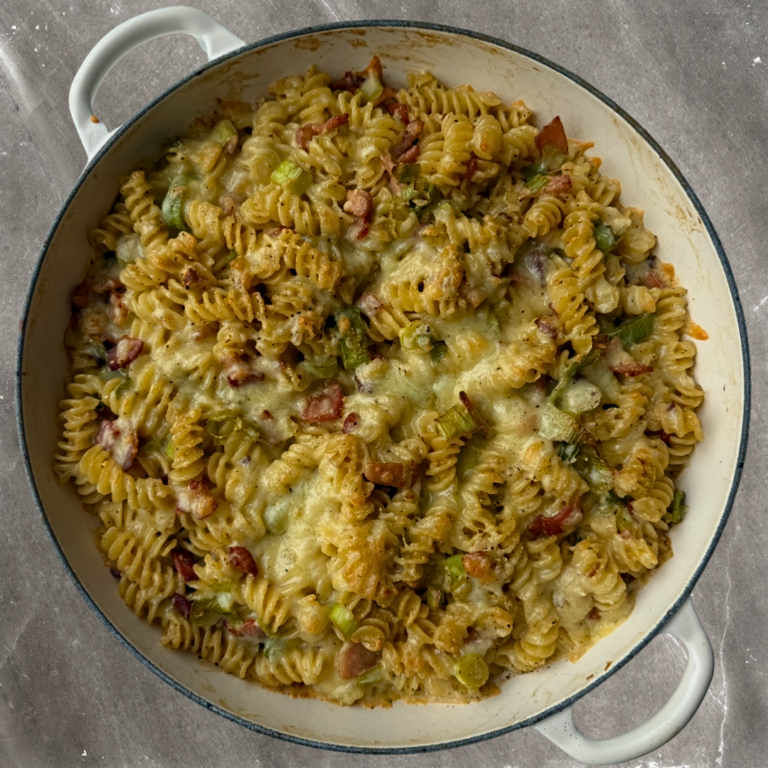
How I Made 30 Portions from a £25 M&S Food Shop
I didn’t just want to make one dinner. I wanted to see how many portions I could get from a relatively small food shop while keeping everything simple, tasty and realistic. Here’s what I made:
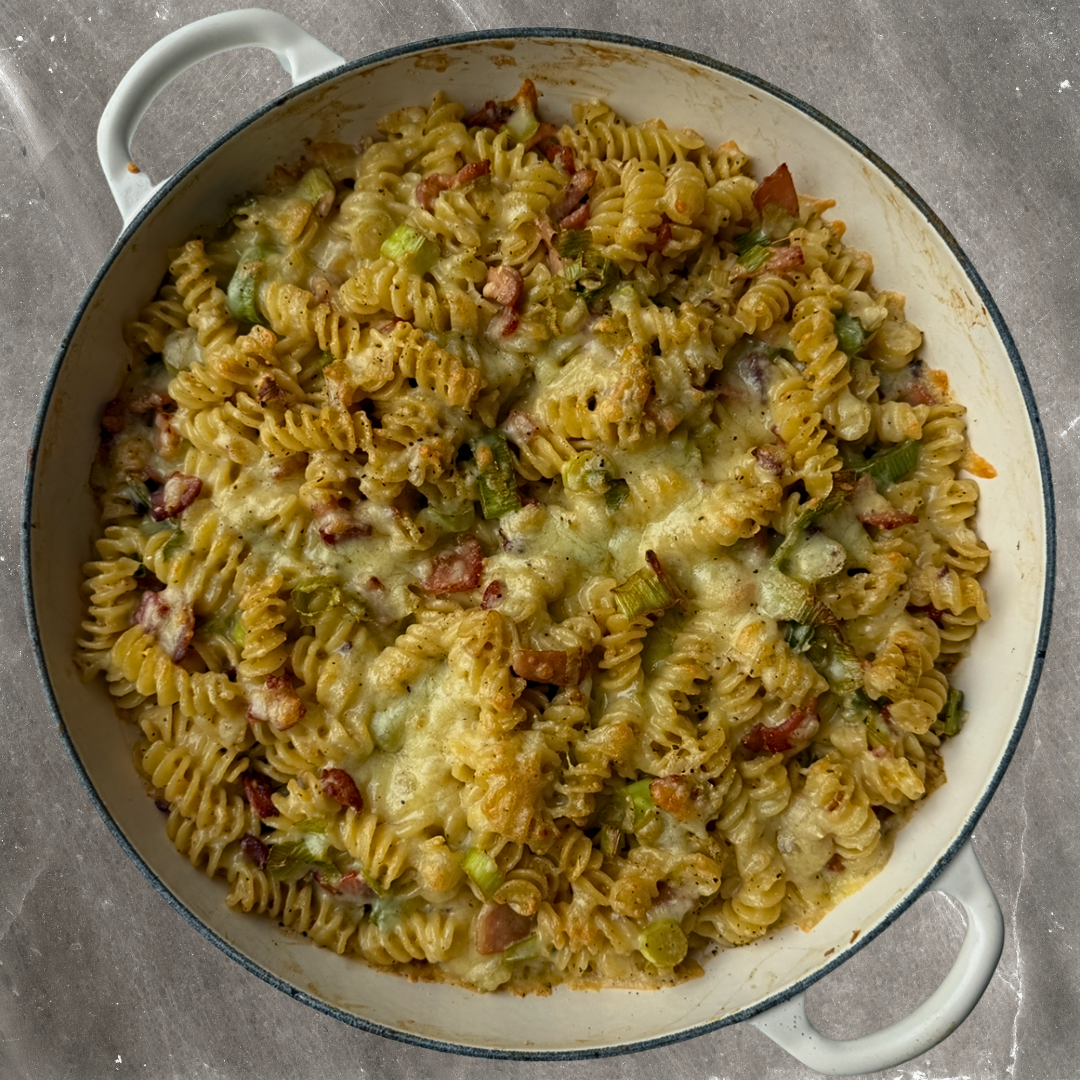
- 6 portions of Creamy Bacon & Leek Fusilli Pasta Bake
- 6 portions of Slow Cooker Bean Ragu
- 12 Chocolate & Coconut Cookies
- 6 portions of Slow Cooker Leftover Vegetable Soup
The best part was that the final recipe came from the vegetables left over from making the other dishes. Rather than letting the carrots, celery and leeks sit in the fridge, I turned them into a simple slow cooker soup, giving me another six portions and making sure nothing went to waste.
For me, that’s what budget cooking is all about: making the ingredients work harder, planning meals before you shop and finding simple ways to use everything you buy.
How do you make a £25 food shop go further?
The biggest thing I’ve learnt from doing budget food shops is that it’s not necessarily about buying the cheapest possible ingredients. It’s about buying ingredients you can use across several meals. If you buy a bag of carrots for one recipe and only use two, the rest can easily end up forgotten at the back of the fridge. Instead, I like to plan the recipes first and then look at where the ingredients overlap.
For example, if I’m buying carrots, celery and leeks, I’ll try to make sure they appear in more than one recipe. That means I’m not buying a completely different list of ingredients for every meal. It’s a simple way to make a food shop work harder.
How do you meal plan on a budget?
I find it much easier to meal plan before going shopping, rather than buying ingredients first and trying to work out what to do with them afterwards.
Start by deciding how many meals you want to make and how many portions you need. Then choose recipes that share some of the same ingredients.
For example:
Recipe 1: Pasta bake
Uses pasta, bacon, leeks and a creamy sauce.
Recipe 2: Bean ragu
Uses beans, tomatoes, vegetables and herbs.
Recipe 3: Leftover vegetable soup
Uses the vegetables left over from the first two recipes.
This means one ingredient can have several jobs. You can also think about how well meals will keep. A big pasta bake might give you several lunches, while a slow cooker recipe can be portioned up and frozen for another day.
My M&S Shopping List
So, here’s everything I bought at Marks & Spencer:
Bananas — £0.90
Desiccated coconut — £2.75
Dark chocolate — £1.60
Organic fusilli — £2.30
10 bacon rashers — £2.50
Leeks — £1.80
Crème fraîche — £1.10
Grated cheese — £2.25
2x 400g tins organic baked beans — £2.20
400g tin red or kidney beans — £0.55
Celery — £0.48
Carrots — £0.70
2x 400g tins organic chopped tomatoes — £2.60
Lasagne sheets — £2.50
Ricotta — £1.60
Total shop: £25.83
I also used a few cupboard staples I already had at home, including:
Butter
2 onions
Garlic cloves
Dijon musard
Chicken stock cubes
Vegetable stock cubes
Bay leaves
Tomato purée
Dried basil
Dried oregano
Dried rosemary
Salt and pepper
Here's all the recipes I made
If you’re looking for the recipes I made this week, here they are below:
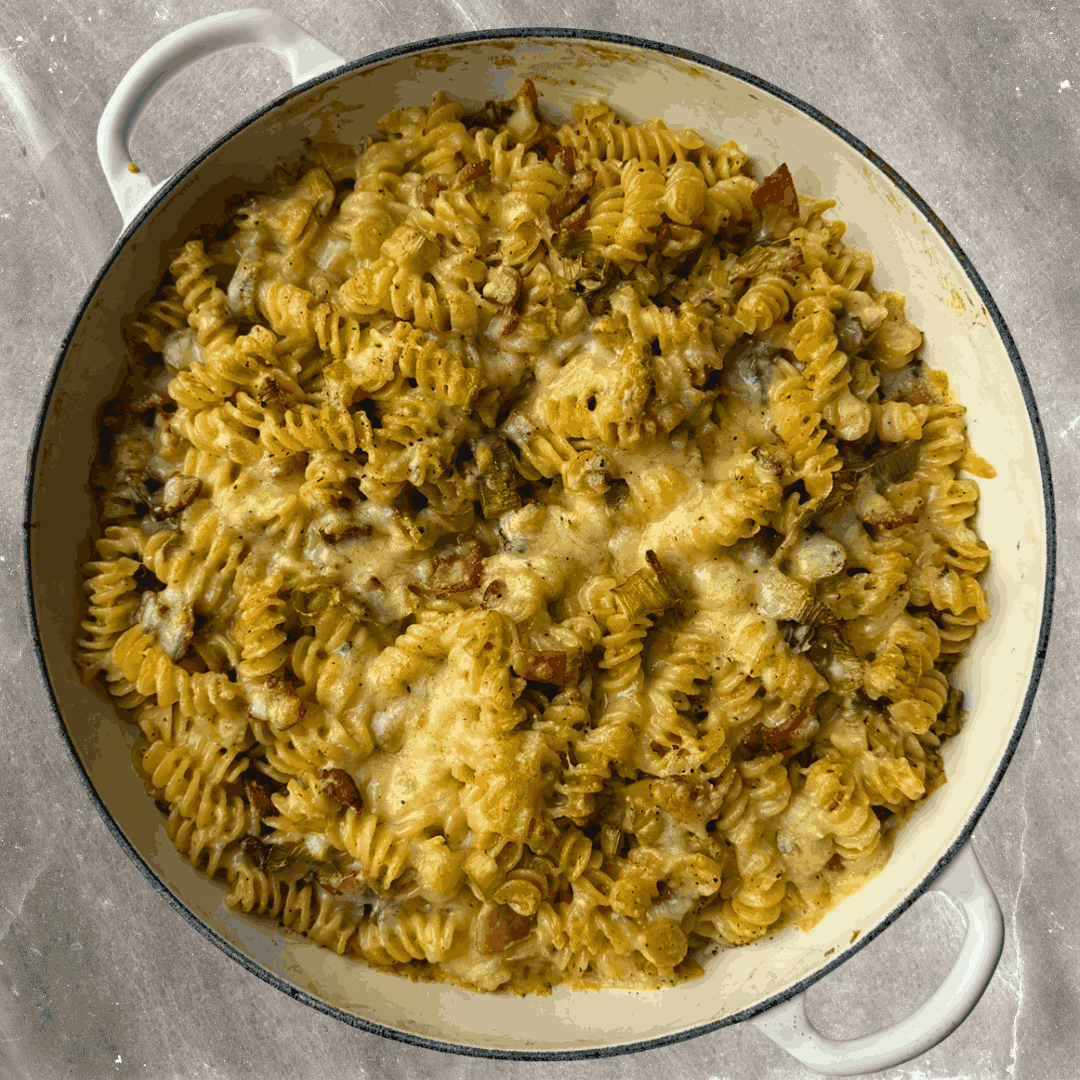
Bacon & Leek Pasta Bake
This is one of those easy meals I keep coming back to because it doesn’t need loads of ingredients and makes a really decent batch. You get six portions from one bake, so it’s ideal for meal prep too. I always think pasta bakes are worth making in a bigger batch – you’re doing the cooking anyway, so you may as well make enough to have lunch sorted for a few days.
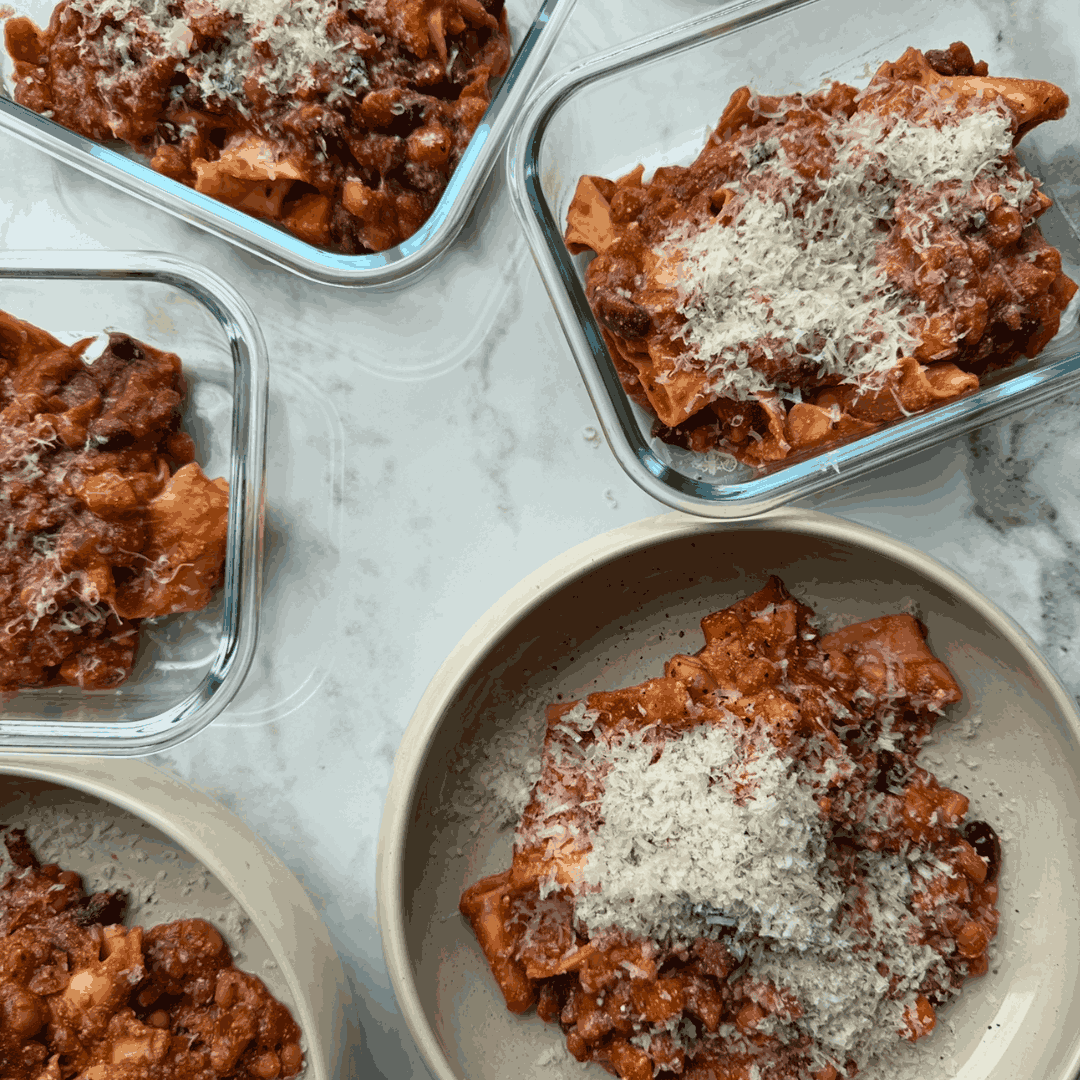
Slow Cooker Bean Ragu
This is probably the best example of a budget meal from the whole challenge because beans, chopped tomatoes and vegetables are relatively inexpensive, but when you combine them with herbs and cook them slowly, they make a really filling dinner. I used both baked beans and kidney beans, which might sound a little unusual, but they work really well here. It’s an ideal recipe for those days when you haven’t really planned dinner and need a panic cupboard raid meal.

THE NEW BOOK FROM BORED OF LUNCH
Preorder Now
3 Ingredient Chocolate & Coconut Cookies
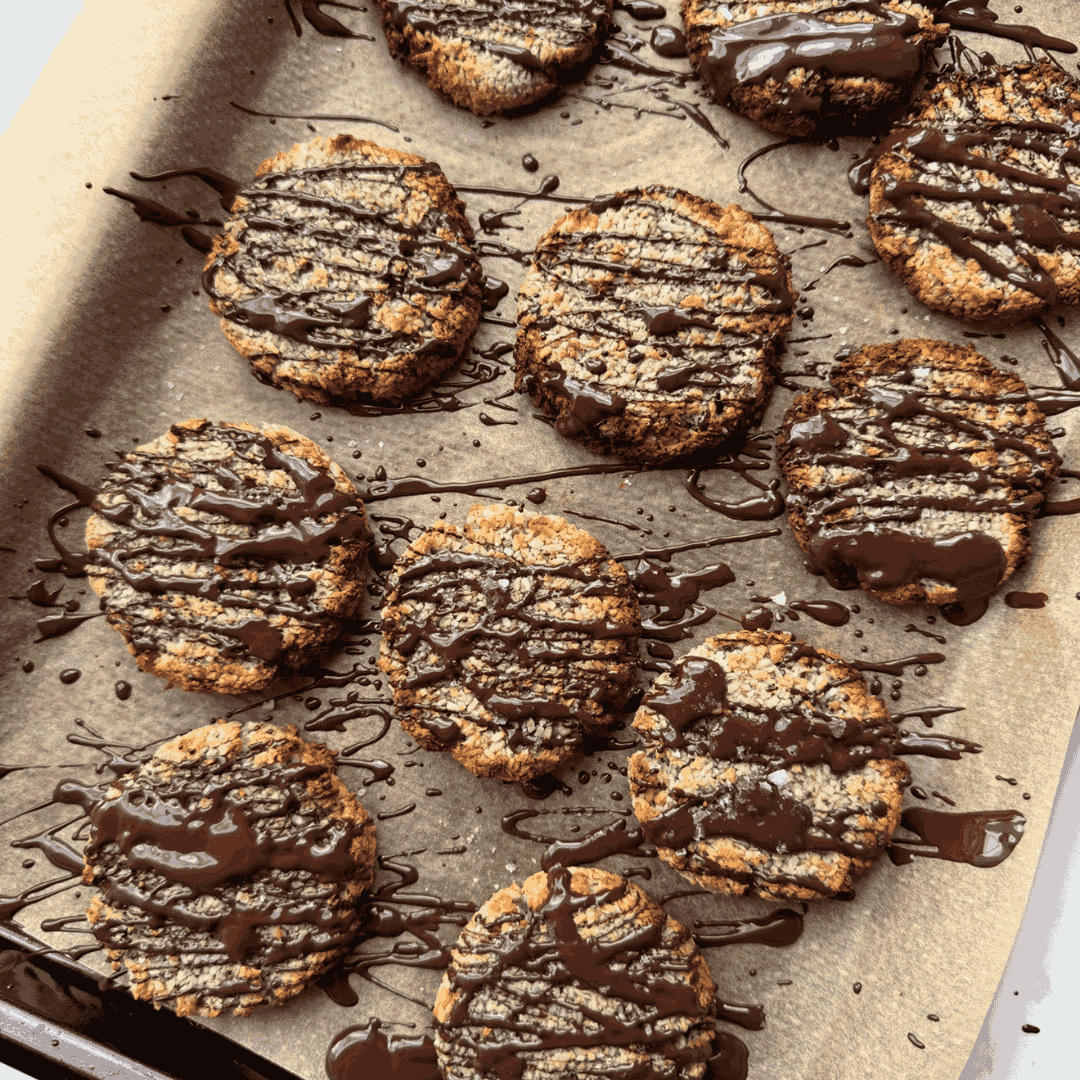
I have a sweet tooth, so wanted something sweet for the challenge. These 3 ingredient cookies are made with banana, desiccated coconut and dark chocolate, and are a great way to use up overripe bananas. I made 12 cookies, perfect for keeping in the fridge for when you fancy a treat.
Slow Cooker Leftover Vegetable Soup
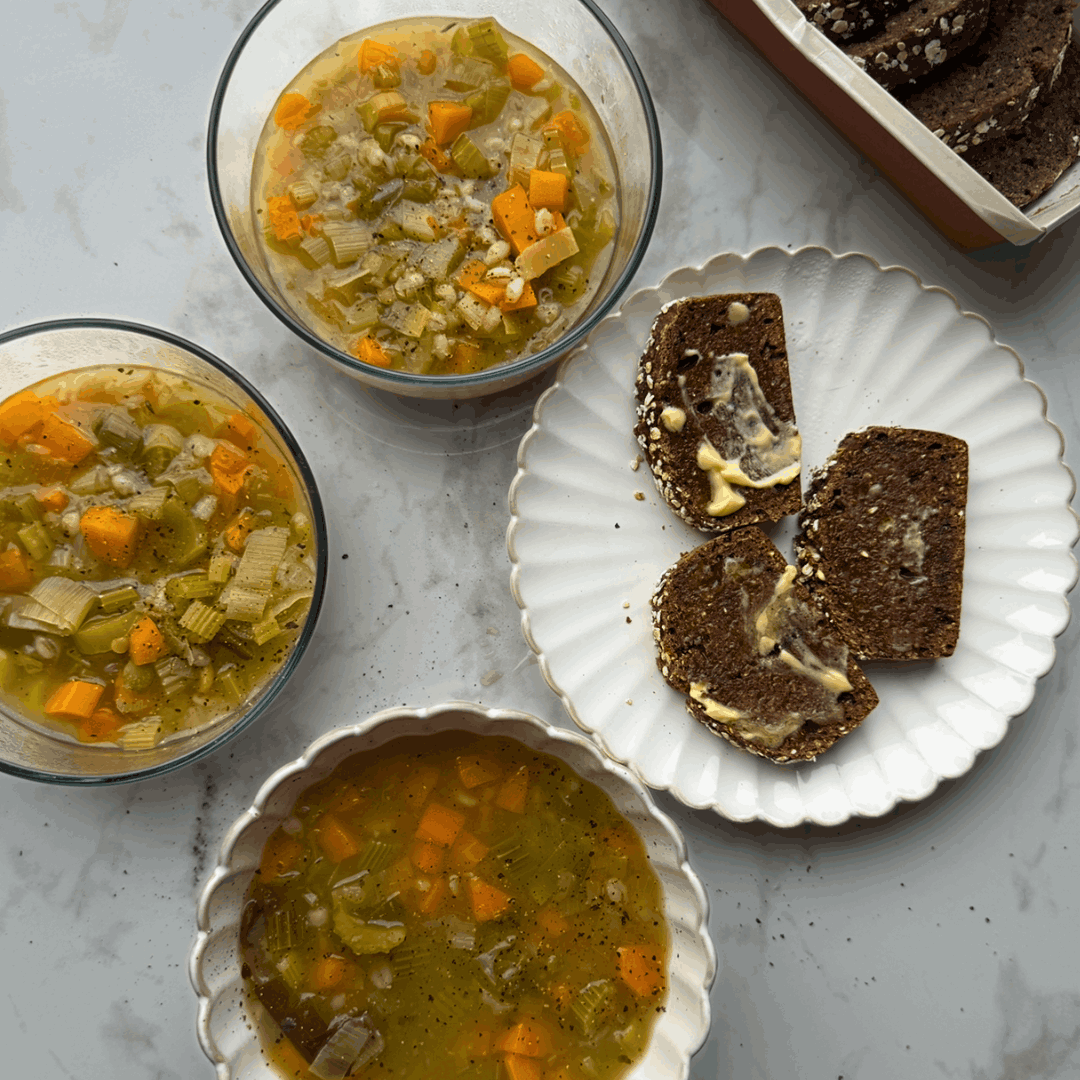
After making the bean ragu and using the vegetables I had bought, I was left with more veg that needed using. So rather than letting it sit in the fridge and eventually end up in the bin, I turned it into soup. It’s a proper comforting Irish-style soup made with carrots, celery, leeks, barley, garlic, herbs and stock. It’s cheap, filling and probably one of the easiest recipes in the whole challenge.
What are the best foods to buy for a budget food shop?
Some ingredients are particularly useful when you’re trying to make a food shop stretch. I like to look for pasta, rice, potatoes, beans, lentils, tinned tomatoes, oats and seasonal vegetables because they can be used in lots of different meals.
Vegetables are especially useful because they don’t have to be limited to one recipe. Carrots, celery and onions can form the base of soups, stews, ragu, curries and pasta dishes. Beans are another good budget ingredient. They’re filling, easy to cook with and can bulk out meals without needing to buy lots of meat. The key isn’t just what you buy — it’s how many different meals you can make from it.
How do I make cheap meals without eating the same thing every day?
This is where I think meal planning makes the biggest difference. You don’t need to buy completely different ingredients for every meal to keep things interesting. Instead, use the same basic ingredients in completely different ways.
For this shop, I could use vegetables in a creamy pasta bake, bean ragu and then turn what was left into soup. The recipes are completely different, even though some of the ingredients overlap.
You can do the same with other staples. A bag of potatoes could become a traybake, soup, mash or a filling for something else. A pack of chicken could be used for wraps, pasta, rice bowls or a curry. The trick is to plan the recipes around the ingredients, rather than the other way around.
How do you avoid food waste when shopping on a budget?
Food waste is one of the easiest ways to make a budget food shop more expensive. If you’ve spent £25 but throw away £5 worth of unused vegetables, you’ve effectively wasted part of your budget. That’s why I always look at what I’m going to do with the leftovers before I even start cooking.
For this food shop, I didn’t want the leftover carrots, celery and leeks sitting in the fridge until they needed thrown away. Instead, I put them into the slow cooker with a few other simple ingredients and turned them into six portions of leftover vegetable soup. That gave the vegetables a second life and meant I got another meal out of ingredients I had already paid for.
What is the best way to plan a budget food shop?
My simple method is:
1. Check what you already have.
Before shopping, look in your cupboards, fridge and freezer. You might already have pasta, rice, herbs, spices or stock that you don’t need to buy again.
2. Pick 2-4 recipes.
Choose meals you actually want to eat rather than trying to make the shop as cheap as possible.
3. Look for ingredient overlap.
Can the same vegetables, tins or packets be used in more than one recipe?
4. Plan your leftovers.
Don’t just think about the main meal. Think about what happens to the ingredients afterwards.
5. Cook in batches.
If you’re already chopping, cooking and washing up, you may as well make enough for several portions.
6. Freeze what you won’t eat.
A freezer is one of the best tools for budget cooking. Portion up meals and you’ve got quick dinners ready for another week.
Is it cheaper to cook in bulk?
It can be, particularly when you’re making meals from ingredients you’ve already bought. Cooking in bulk doesn’t necessarily mean eating the same meal for a week either. You can make a large batch of one recipe for the freezer, or make several different recipes using overlapping ingredients.
There are also practical savings. You’re only chopping vegetables, heating the oven and washing up once, rather than starting from scratch every evening. That’s why I think batch cooking and budget cooking work so well together.
What can I make with leftover vegetables?
Pretty much any vegetable that needs using up can become part of another meal. Some of my favourite options are:
Vegetable soup
Vegetable curry
Pasta sauce
Frittata
Traybake
Stir-fry
Stew
Ragu
Vegetable fried rice
You don’t need an exact recipe for everything. If you have a few vegetables that need using, a slow cooker soup is one of the easiest options.
That’s exactly what I did here.
My biggest tip for budget cooking
Don’t shop for individual meals. Shop for ingredients that can become multiple meals. That’s the biggest difference between buying food on a budget and actually making a food budget work. For this M&S shop, I didn’t just want to make one dinner. I wanted to see how many portions I could get from a relatively small food shop while keeping everything simple, tasty and realistic.
And that’s what I like about this approach. You don’t need to eat beans and rice for a week or live entirely on the cheapest ingredients available. You can still make proper, filling meals. You just need to think about how you use what you’ve bought.
For me, that’s what budget cooking is all about: making your ingredients work harder, planning your meals before you shop and finding simple ways to use everything you buy.
Happy cooking!
Nathan 🙂
Join the newsletter
Subscribe to the BoL newsletter for exclusive recipes, exciting competitions, and much more!