PREORDER NOW: Bored of Lunch Prep & Go📚
PREORDER NOWBlog / How to Save Money on Your Food Shop
How to Save Money on Your Food Shop
If your weekly food shop seems to be getting more expensive, you’re not alone. The good news is that there are plenty of simple ways to save money on your food shop without eating boring meals or completely changing the way you cook.
A little planning can make a big difference. Knowing what you already have, planning a few meals, making ingredients stretch further and using your freezer properly can all help you reduce your food bill. I’ve put together some of my favourite budget food shopping tips below, from planning your meals and shopping your cupboards to making fakeaways at home and using leftovers.
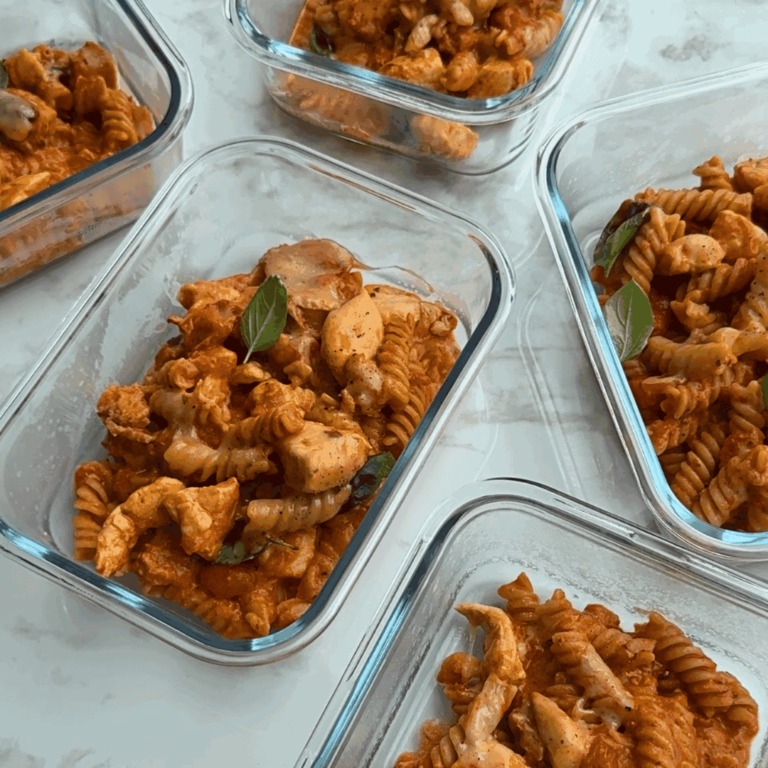
20 Easy Ways to Save Money on Your Food Shop
With food prices continuing to rise, finding simple ways to cut the cost of your weekly food shop can make a big difference. The good news is, saving money doesn’t mean eating boring meals or living off beans on toast. From planning your meals and making the most of your freezer to choosing budget-friendly ingredients and reducing food waste, these easy tips can help you spend less while still enjoying tasty, filling meals.
1. Plan your meals before shopping
One of the easiest ways to save money on your food shop is to have an idea of what you’re going to eat before you head to the supermarket. You don’t need to plan every breakfast, lunch and dinner for the entire week. Even choosing four or five dinners can make your food shop much more focused.
Think about your week ahead. Are there nights when you know you’ll be busy? Do you have time to cook? Could you make a slow cooker dinner one day and use the leftovers for lunch? Planning your meals also means you’re less likely to buy ingredients without knowing how you’ll use them.
I like to start with a few recipes I already know I’ll enjoy, then build my shopping list around those meals. If you’re looking for inspiration, my cheap dinner ideas blog post is a great place to start.
2. Shop your cupboards first
Before writing your shopping list, have a quick look through your fridge, freezer and cupboards. You might already have pasta, rice, tins, sauces, spices or frozen vegetables that can form the basis of a few meals. The Bored of Lunch Meal Planner is perfect for this because you can plan your meals around what you already have, rather than deciding what to cook and then buying everything from scratch. It’s a simple way to use up ingredients, avoid buying duplicates and make your food shop go further. That bag of rice hiding at the back of the cupboard might just become dinner!

meal planning made easier
buy now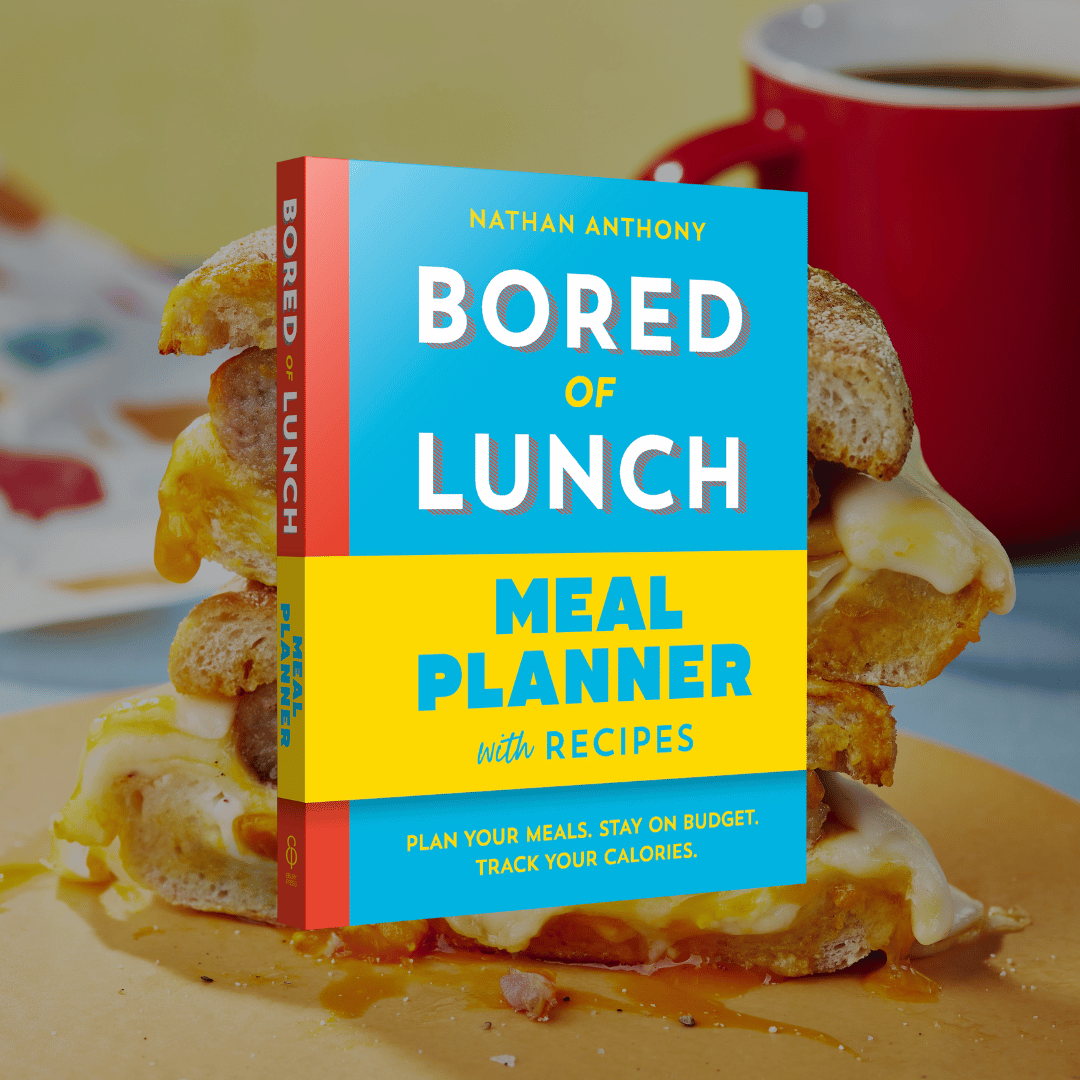
3. Always make a shopping list
Once you’ve planned your meals and checked what you already have, write a shopping list. It sounds obvious, but having a list makes it much easier to stick to your budget. Try organising your list into sections such as:
- Fruit and vegetables
- Meat and fish
- Dairy
- Cupboard ingredients
- Frozen food
- Household essentials
A shopping list also helps you avoid those extra purchases that can quickly add up. I like to use my Bored of Lunch meal planner to plan my meals and create my shopping list, making it much easier to stay organised and stick to my budget. If you’re shopping online, the same rule applies – search for the ingredients you need rather than browsing and adding things to your basket as you go.
4. Don't shop when you're hungry
This one sounds simple, but it can make a difference. When you’re hungry, it’s much easier to add extra snacks, treats and convenience foods to your trolley. If possible, shop after you’ve eaten or at least have something small before you go.
It doesn’t mean you can’t buy treats. It’s about making sure you’re choosing them because you actually want them rather than because you’re hungry and everything looks appealing. A planned food shop is much easier to stick to when you’re not shopping on an empty stomach.
5. Try supermarket own-brand products
You don’t always need the branded version of something. Supermarket own-brand products can be a great way to save money on groceries, particularly for everyday basics such as pasta, rice, tinned tomatoes, beans, flour and other cupboard staples.
You can also mix and match. There may be certain products where you prefer a particular brand, while other ingredients make very little difference to you. Try swapping a few branded products for supermarket own-brand versions and see how much you save. You don’t have to change everything at once. Even a few small swaps can make your weekly food shop cheaper.
6. Compare the price per 100g
When comparing products, don’t just look at the big price on the shelf. Check the price per 100g or per kilogram too. A larger pack can sometimes look more expensive but actually work out cheaper per 100g. However, only buy the bigger pack if you know you’ll use it.
This is particularly useful for ingredients such as meat, cheese, rice, pasta and other staples. Comparing prices this way makes it easier to work out which option genuinely offers better value rather than simply choosing the product with the lowest price tag.
7. Choose cheaper cuts of meat
Meat can make up a big part of a weekly food bill, but you don’t always need to buy the most expensive cuts. Chicken thighs, chicken mince, beef mince and sausages can all be useful budget ingredients.
Chicken thighs in particular are incredibly versatile. They can be used in curries, pasta dishes, traybakes, fakeaways and air fryer dinners. Mince is another great option because it can be stretched with vegetables, beans, pasta, rice or potatoes. The key is to think about the whole meal rather than how much the individual piece of meat costs.
8. Buy frozen vegetables
Frozen vegetables can be incredibly useful when you’re trying to reduce your food bill. They often last much longer than fresh vegetables, meaning you’re less likely to throw away food that has gone off. They’re also convenient because you can use exactly what you need and put the rest back in the freezer. Frozen peas, sweetcorn, mixed vegetables, spinach and broccoli can all be useful additions to quick dinners.
Don’t feel like you need to buy everything fresh for a meal to be nutritious. Frozen vegetables can be a brilliant way to make your food shop go further.
9. Use tinned beans and pulses
Beans, chickpeas and lentils can be great budget ingredients. They’re filling, versatile and can be added to curries, soups, stews, pasta sauces and casseroles. Even if you’re not vegetarian or vegan, adding beans or pulses to certain meals can help make your meat go further.
For example, adding beans to a chilli or casserole can create more portions without needing to add another pack of meat. They’re also useful cupboard staples because tins can be kept for a long time, making them handy when you need a quick budget dinner.
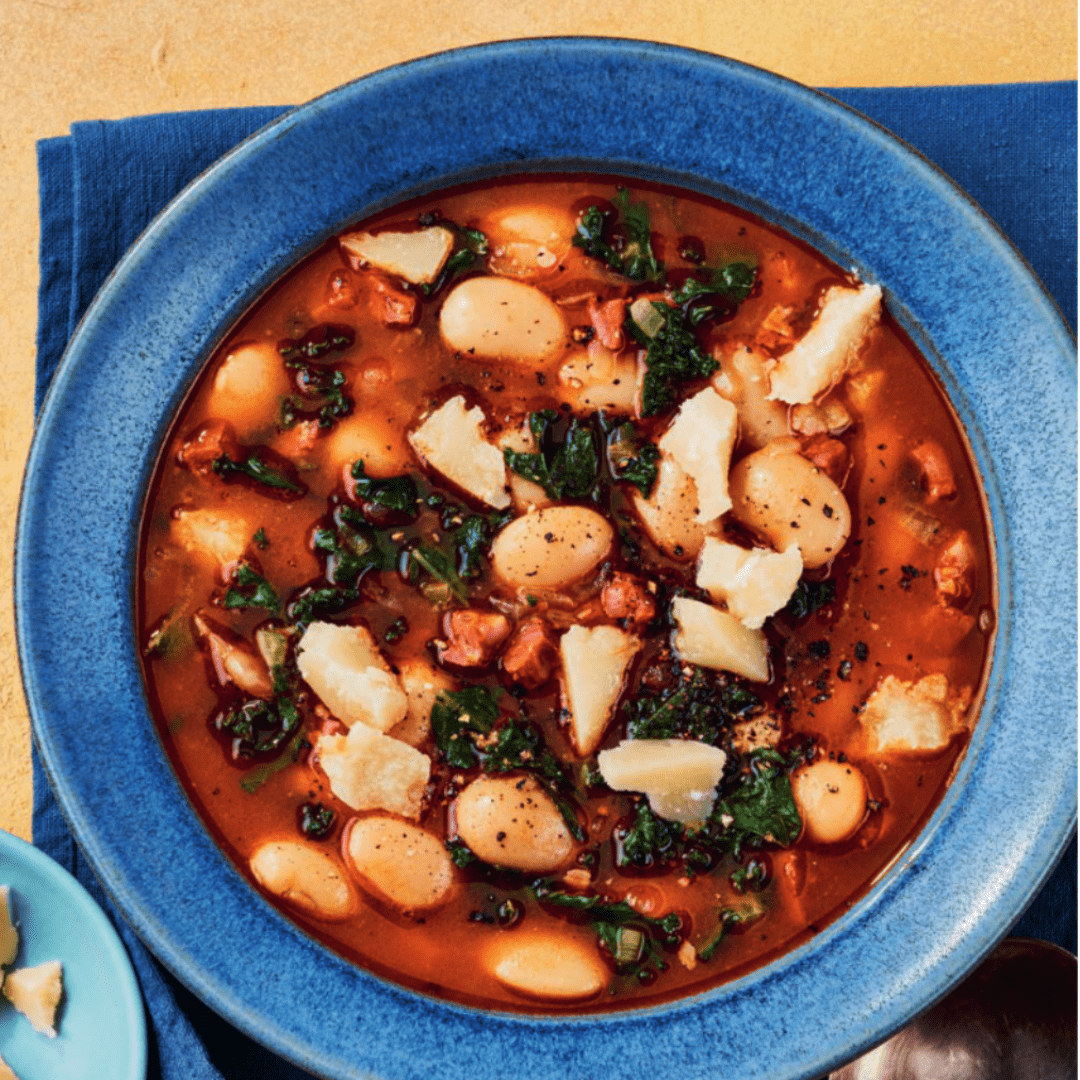
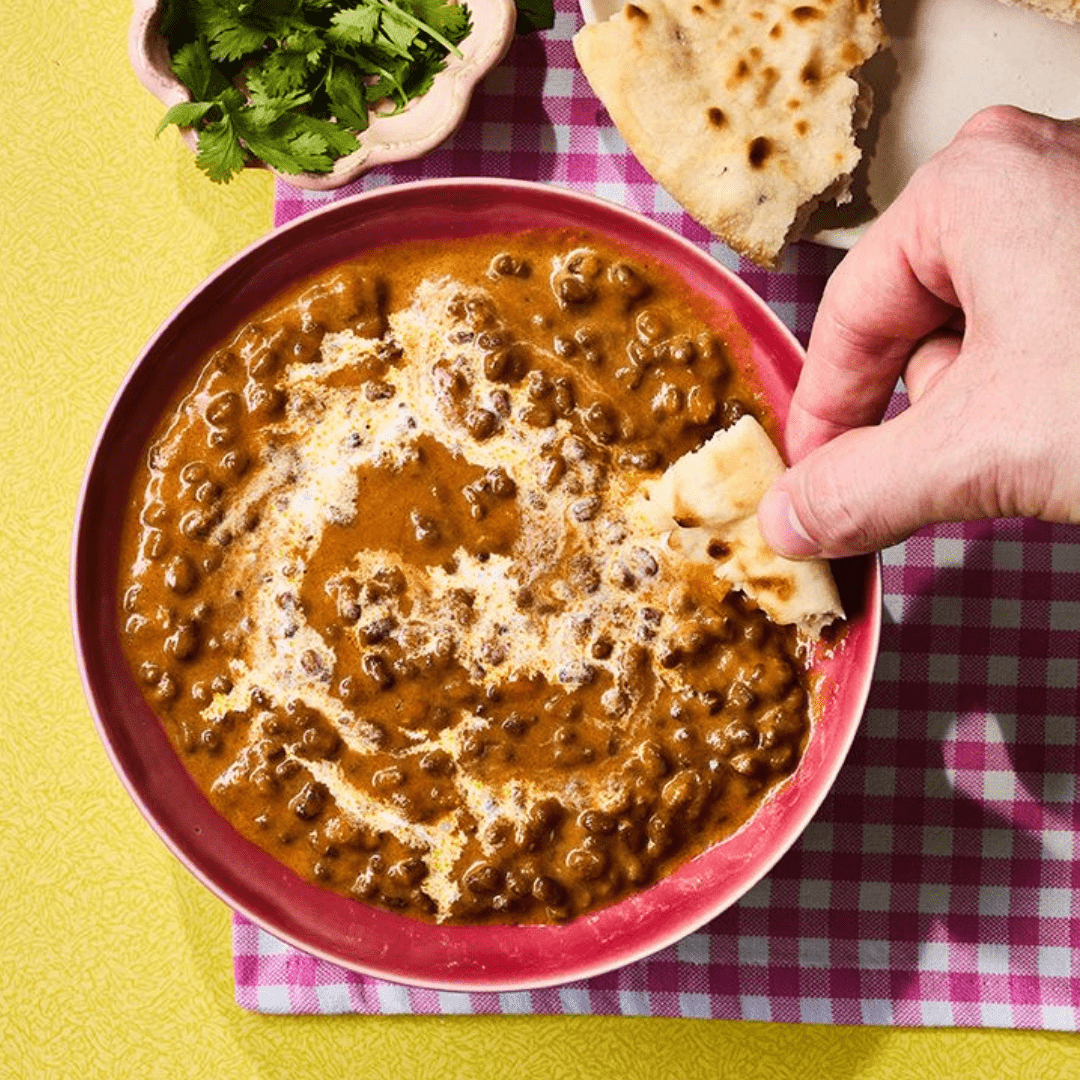
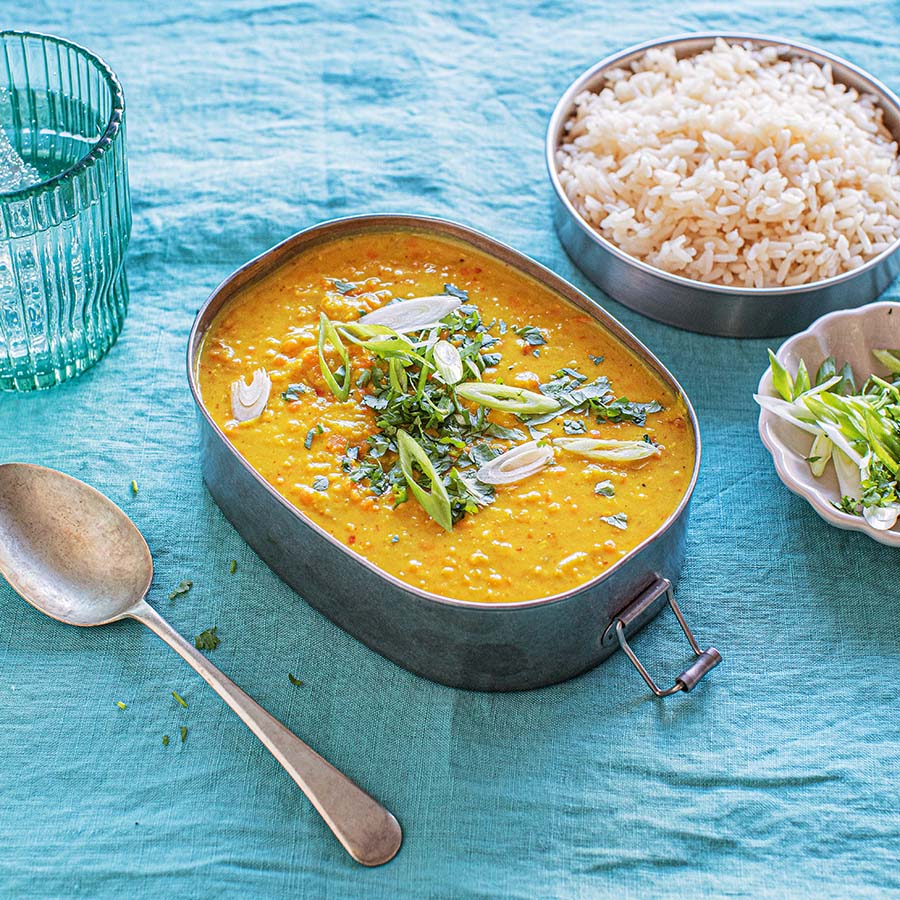
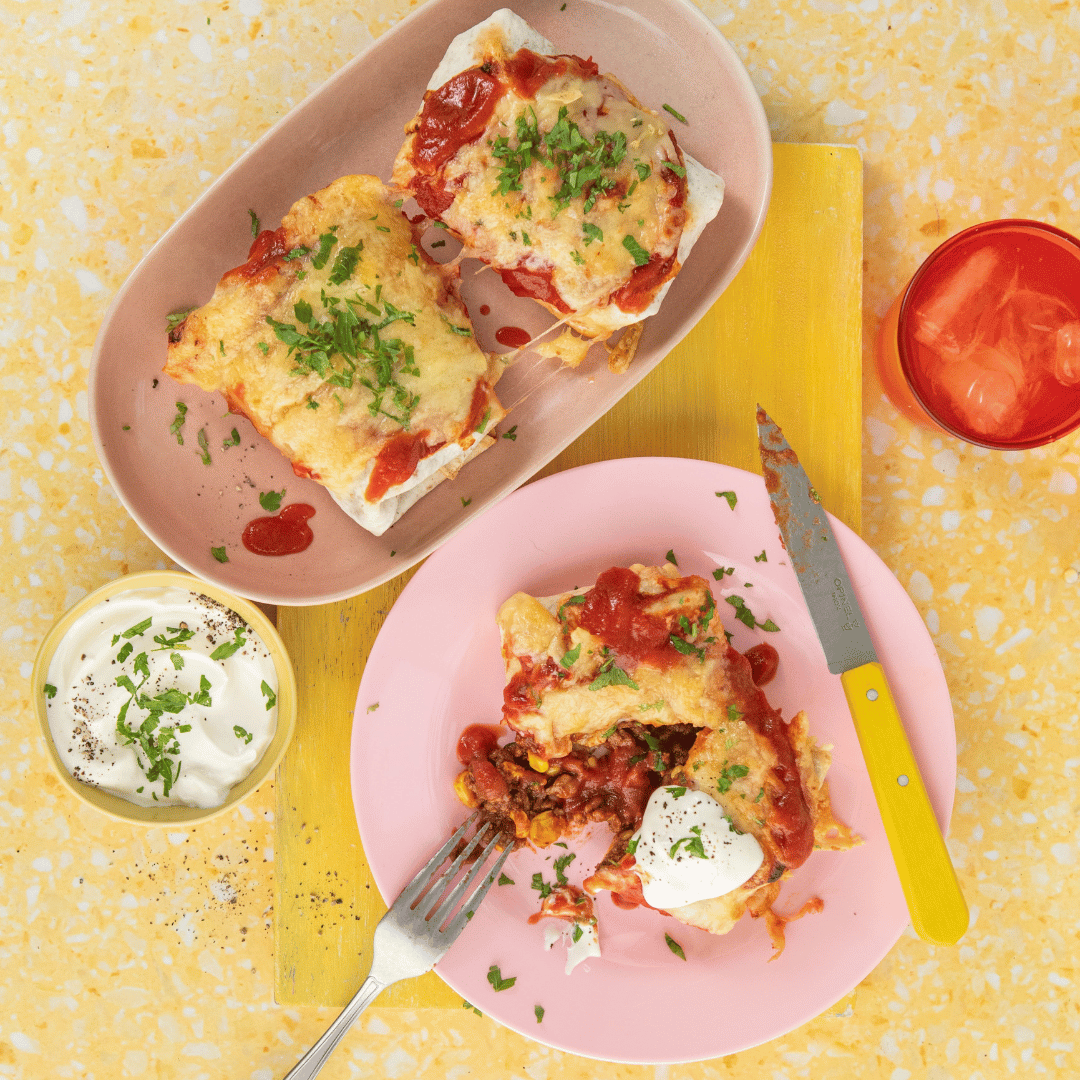
Recipes using beans and lentils
Beans and lentils are a great way to make meals go further without spending a fortune. They’re cheap, versatile and packed with fibre and plant-based protein, making them a simple addition to everything from curries and chilli to soups, stews and pasta dishes. Keep a few tins of beans or bags of lentils in your cupboard and you’ll always have an easy, budget-friendly ingredient to bulk out a meal, while also adding plenty of flavour and texture.
10. Make your meat go further
You don’t necessarily need a large portion of meat to make a filling dinner. Think about what you can add alongside it. Vegetables, beans, lentils, pasta, rice, potatoes and noodles can all help bulk out a meal.
Mince is particularly good for this. A smaller amount of mince can be turned into a larger meal when combined with vegetables, beans, pasta or rice. The same applies to chicken. Rather than serving a large chicken breast with a small side, shred or slice it and use it throughout a meal with plenty of vegetables, rice, pasta or potatoes. This can help you make one pack of meat stretch across more portions.
11. Cook in batches
Batch cooking can save both time and money. If you’re already cooking dinner, consider making extra portions while you’re there. A large pot of chilli, curry, pasta sauce, ragu or casserole can provide several meals.
You don’t necessarily have to eat the same dinner three nights in a row either. Freeze some portions and save them for another week. Batch cooking also means you have something ready when you’re tired or short on time, which can help prevent an expensive takeaway.
12. Freeze leftovers
Your freezer is one of your best tools when you’re trying to save money on your food shop. If you’ve cooked too much, don’t automatically throw it away. If the meal is suitable for freezing, portion it up and freeze it for another day. You can also freeze ingredients before they go off.
Bread, meat, some cheeses, fruit, vegetables and many prepared meals can all be frozen, depending on the product. Labelling your frozen meals with what they are and when you froze them can make your freezer much easier to manage. Think of it as having your own collection of homemade ready meals waiting for you.
13. Use food before it goes off
Food waste is essentially money going in the bin. Before buying more fresh ingredients, check what needs using in your fridge. If you’ve got vegetables that are looking a little tired, could they go into a soup, pasta sauce, curry or casserole? If you’ve got leftover chicken, could you use it in sandwiches, wraps, pasta or a rice bowl? This is where being flexible with your meal plan helps. Your planned dinner doesn’t always have to be exactly the recipe you’ve chosen.
14. Don't buy ingredients for just one recipe
One of my biggest budget food shopping tips is to avoid buying lots of ingredients that you’ll only use once. If a recipe requires a particular ingredient, think about how else you can use it.
For example, if you’re buying coriander for a curry, could you use the rest in tacos or a rice bowl? If you’re buying a large pack of chicken, could you use it for two or three different meals? The more uses you can find for one ingredient, the more value you’re getting from your food shop.
15. Choose versatile ingredients
When you’re planning a budget food shop, look for ingredients that can be used in several different ways. Chicken, mince, eggs, pasta, rice, potatoes, wraps and vegetables are all incredibly versatile.
You can change the flavour of the meal using different sauces and spices, meaning the same basic ingredients can become completely different dinners. For example, chicken can become a curry, pasta dish or fakeaway. This is one of the easiest ways to make budget cooking feel less repetitive.
16. Have a leftovers night
Instead of automatically planning seven completely different dinners every week, have a leftovers night. This could be a night where everyone chooses something from the fridge or freezer.
You might have leftover curry, some cooked chicken, vegetables and a few portions of pasta. Put everything out and create a “help yourself” dinner. It clears out the fridge, reduces food waste and means you don’t need to buy another full meal.
You could even turn leftovers into something completely different. Leftover chicken can become wraps or quesadillas, while leftover bolognese can be turned into pasta bake or loaded potatoes.
17. Use your freezer properly
Don’t let your freezer become a place where forgotten food goes to live. Keep it organised so you can see what you have. Freezing food when it’s fresh means you can preserve it for another day rather than letting it go to waste.
You can also use your freezer to buy certain ingredients when they’re on offer, provided you have enough space and know you’ll use them. Having a few homemade meals in the freezer can also make busy weeks cheaper. If you’ve already got dinner ready to go, there’s less temptation to order a takeaway.
18. Swap expensive ingredients
If a recipe calls for an ingredient that’s particularly expensive, think about whether there’s a cheaper alternative. You don’t always need to follow a recipe exactly. Could you use chicken thighs instead of chicken breast? A different vegetable instead of one that’s out of season? A supermarket own-brand ingredient instead of a premium version?
You can also adapt recipes around what you already have. This is particularly useful when you’re trying to cook on a set budget. Rather than deciding that you can’t make a recipe because one ingredient is expensive, see what you can swap.
19. Make fakeaways at home
Takeaways can quickly eat into your food budget, particularly if you’re ordering for several people. Making your favourite takeaway-style meals at home can be much more affordable. Think chicken satay, curry, noodles, burgers, quesadillas or spicy chicken.
The ingredients can often be used across several meals, while a takeaway is usually a one-off expense. My Fakeaway Mango Chicken Curry, Fakeaway Pork Satay Noodles and Slow Cooker Chicken Satay are all good examples of how you can enjoy those takeaway flavours at home. Making a fakeaway doesn’t have to mean spending hours in the kitchen either. Air fryers and slow cookers can make the process much easier.
Healthy Fakeaways Out Now!
buy now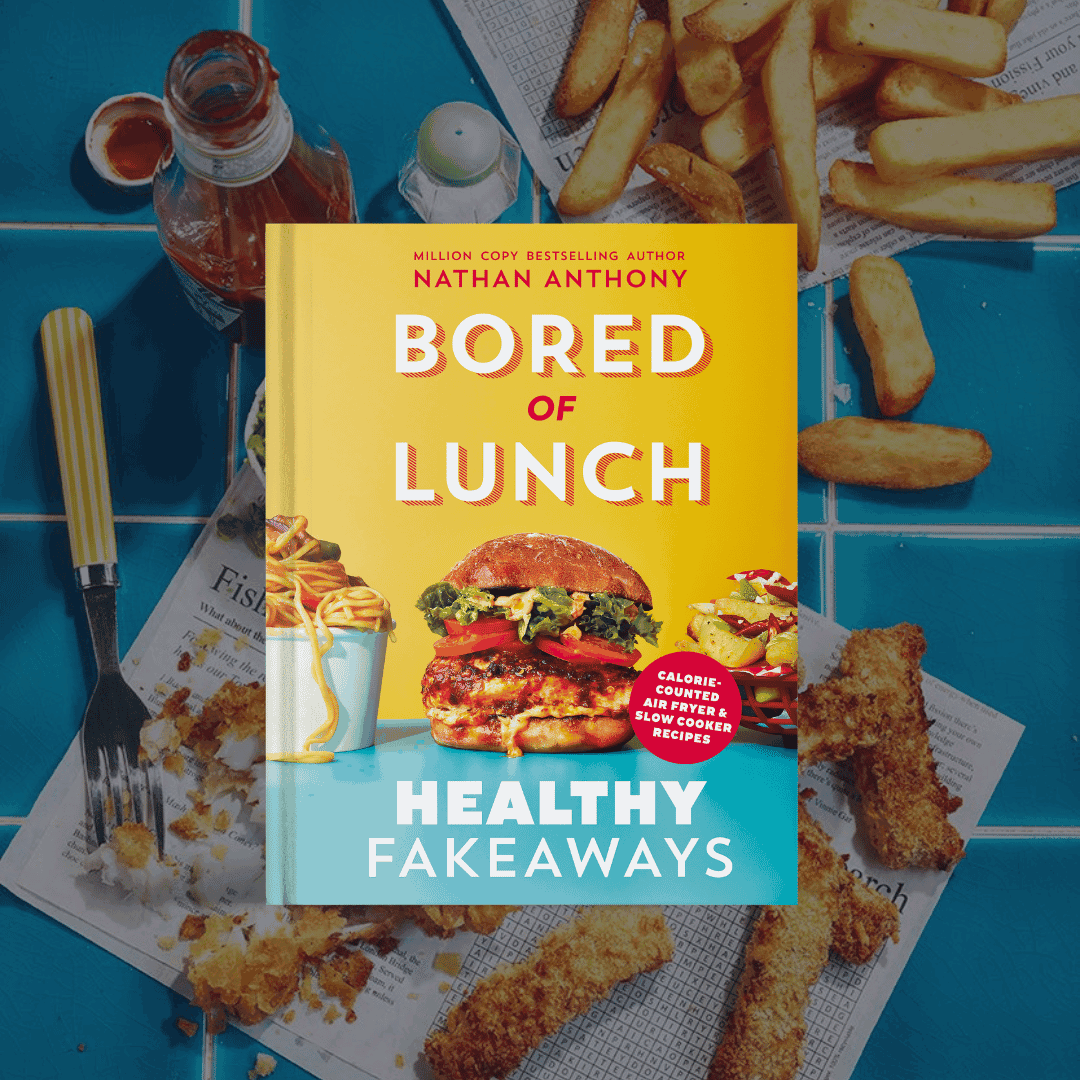
20. Set yourself a weekly food budget
Finally, give yourself a realistic weekly food budget. It doesn’t have to be the same amount every week, and you don’t need to make it so low that you find it impossible to stick to.
The important thing is knowing roughly what you want to spend before you shop. Once you have a figure in mind, plan your meals around it. You could even challenge yourself to see how many meals you can make from a set amount, which is exactly what I’ve been doing with my £25 food shop series.
How Much Should I Budget for a Weekly Food Shop?
There’s no single weekly food budget that works for everyone. It depends on how many people you’re feeding, where you live, dietary requirements, how often you eat out and what you normally buy. Instead of comparing your budget with someone else’s, look at what you’re currently spending and see where you could make small changes. If your weekly shop is £100, for example, you could start by trying to bring it down to £90 rather than suddenly aiming for £50.
You can also work backwards from your meals. Decide how many breakfasts, lunches and dinners you need, then work out how much you have available to spend. The goal isn’t necessarily to spend as little as possible. It’s to get the most meals and value from the money you do spend.
How I Would Spend £25 on a Food Shop
One of the best ways to understand budget food shopping is to actually set yourself a limit. That’s why I’ve been doing my £25 food shop series, testing how far I can make a small food budget stretch.
I recently spent £25 at Lidl and made 14 meals, showing how planning your meals and making ingredients work across different dishes can make a relatively small shop go a long way. I’ve also taken the challenge to Tesco to see what I could make from around £25.
The point of these challenges isn’t to suggest that everyone should only spend £25 on their weekly food shop. It’s about showing what’s possible when you plan ahead, shop carefully and make your ingredients work harder.
Make Your Ingredients Work Harder
Instead of buying ingredients for one meal, look for foods you can use across several recipes. For example, a pack of chicken could become a curry one day, wraps another day and a pasta dish later in the week.
The same applies to vegetables, rice, pasta and sauces. This is one of the biggest lessons from my £25 food shop series: you don’t necessarily need lots of different ingredients to make lots of different meals.
A little planning can make a big difference.
Budget-Friendly Recipes to Try
If you’re looking for inspiration, these are some of my favourite recipes to add to your weekly meal plan when you’re trying to keep your food shop under control.
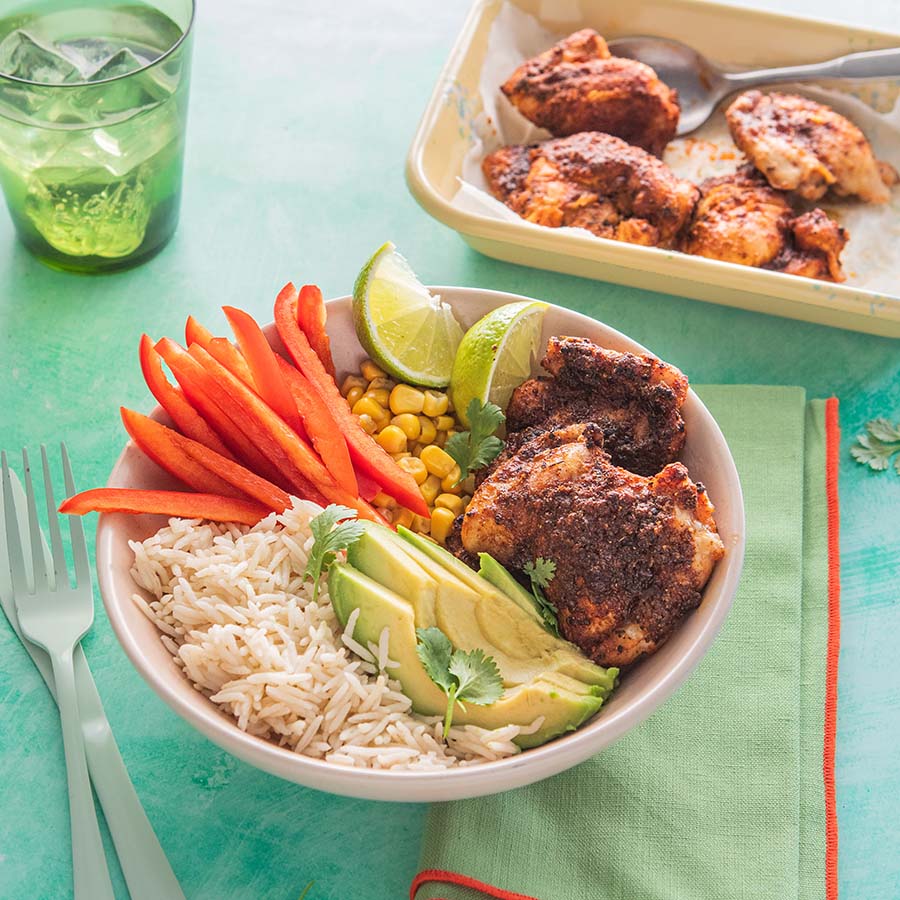
Air Fryer Cajun Chicken Thighs
These Air Fryer Cajun Chicken Thighs are a great example of how you can use an affordable cut of chicken to create a dinner that’s packed with flavour. Chicken thighs are often a budget-friendly alternative to chicken breast, and the air fryer makes them quick and easy to cook. The Cajun seasoning adds plenty of flavour without needing lots of extra ingredients, making this a simple budget-friendly dinner for busy weeknights.

Air Fryer Spicy Chicken Burgers
These Air Fryer Spicy Chicken Burgers are a great way to enjoy a homemade takeaway-style dinner without the takeaway price tag. Using chicken and simple burger ingredients, they’re easy to customise with whatever salad, sauces and sides you already have at home. Cooking them in the air fryer keeps things simple, while making your own burgers means you can create a filling dinner without spending money on a takeaway.

Slow Cooker Carrot & Parsnip Soup
This Slow Cooker Carrot & Parsnip Soup is a brilliant budget recipe when you want something warming, simple and affordable. Carrots and parsnips are inexpensive vegetables that can be turned into a filling soup with just a few extra ingredients. It’s also a great way to use up vegetables that need eating, helping to reduce food waste at the same time. Make a batch and keep portions for lunches throughout the week.
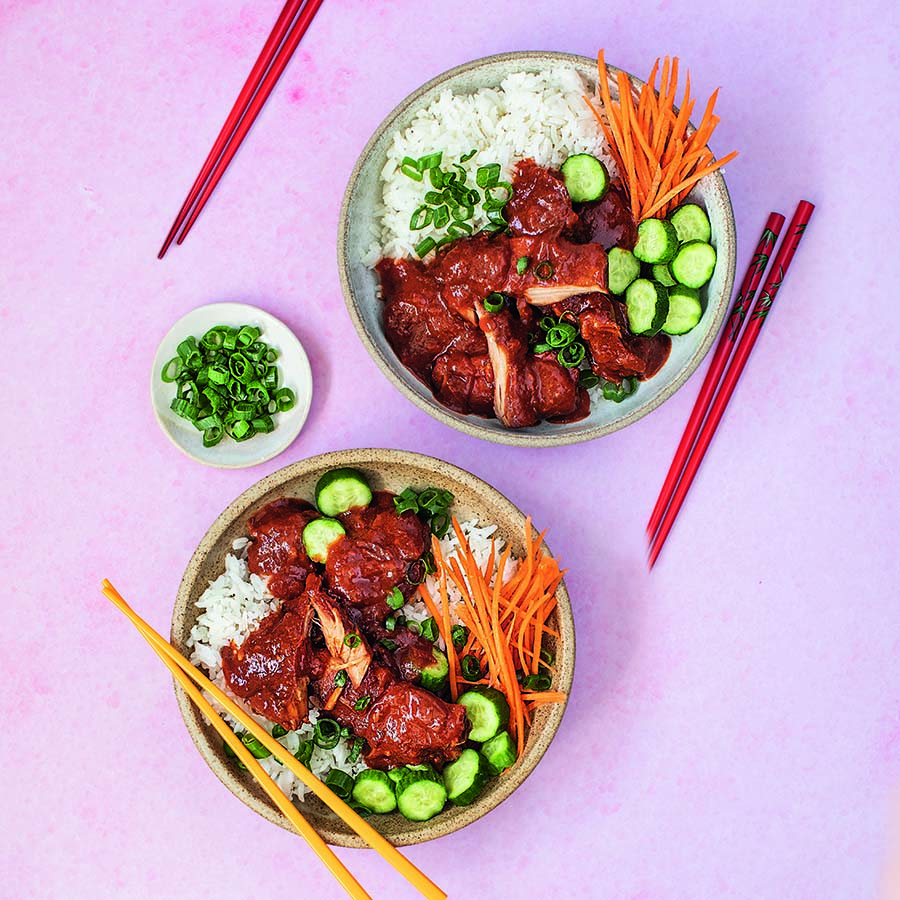
Slow Cooker Sweet & Spicy Pork
This Slow Cooker Sweet & Spicy Pork is proof that a budget dinner can still be packed with flavour. Slow cooking is a great way to make affordable cuts of meat tender and delicious, while the sweet and spicy sauce adds plenty of flavour. Serve it with rice, noodles or vegetables to make the meal stretch further, and save any leftovers for another dinner or lunch.

Chicken Curry & Rice
A homemade Chicken Curry & Rice is a brilliant option when you’re looking for an affordable family dinner. Chicken can be stretched across several portions when served with rice and vegetables, while curry flavours can be created using spices and cupboard staples you may already have. It’s also a great alternative to ordering a takeaway, giving you all those comforting curry flavours for less.
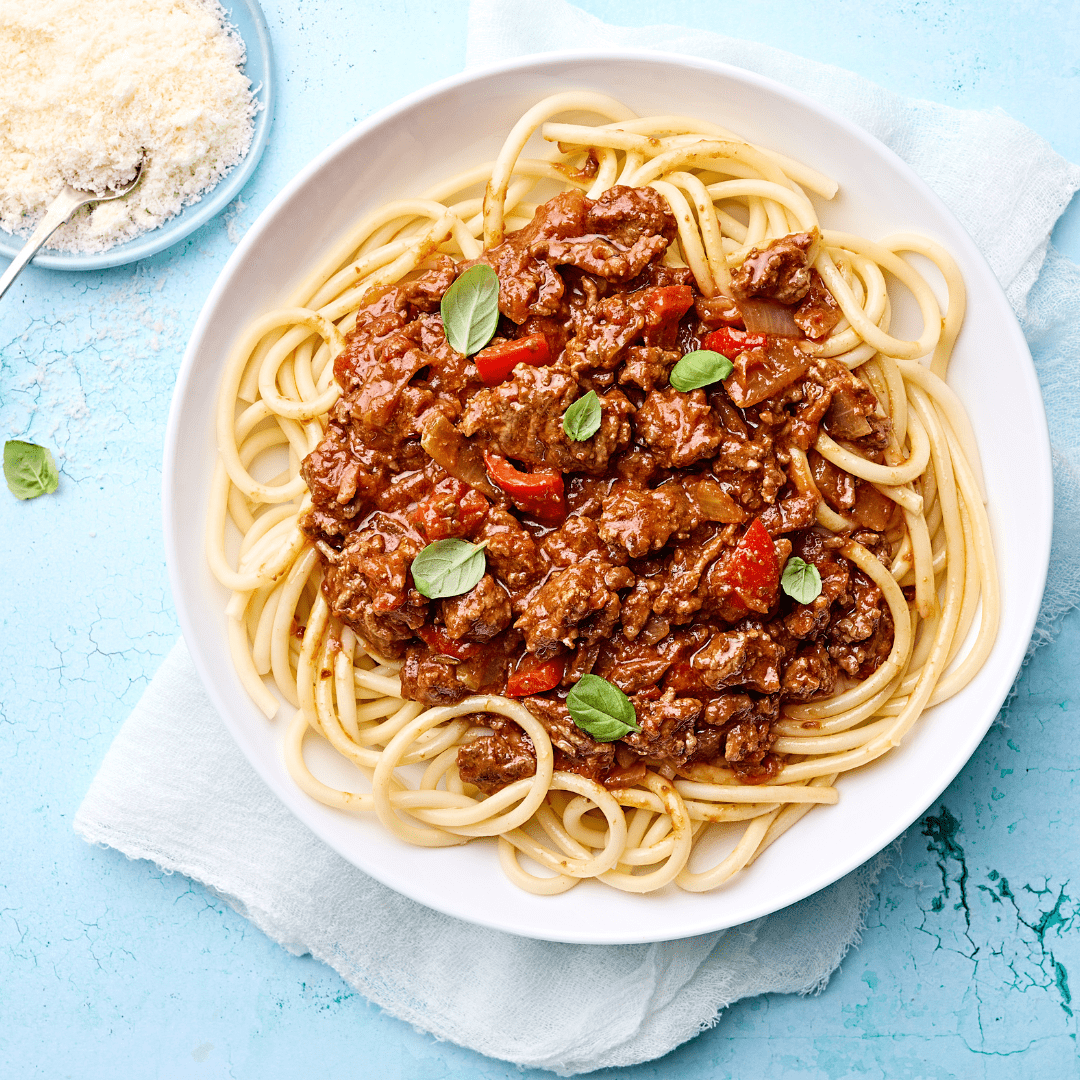
Slow Cooker Bolognese
This Slow Cooker Bolognese is one of those recipes that can make a few simple ingredients go a long way. Mince, tomatoes and pasta come together to create a filling dinner that’s ideal for families and batch cooking. Cooking a larger portion means you can enjoy it for another meal or freeze leftovers for a future night. It’s a great budget dinner to have in your regular rotation.

Sausage & Bean Casserole
This Sausage & Bean Casserole is proper comfort food and a brilliant way to make your ingredients stretch further. Sausages provide plenty of flavour, while beans help bulk out the meal and add extra texture. It’s ideal for serving with potatoes, bread or another affordable side and works particularly well when you’re feeding several people. A great option when you want a hearty budget-friendly dinner without a long shopping list.
What Are the Best Cheap Foods to Buy?
When you’re trying to cut your food bill, it helps to have a few affordable staples that you can build meals around. Some of my go-to budget ingredients include:
- Pasta
- Rice
- Potatoes
- Noodles
- Eggs
- Chicken thighs
- Chicken or beef mince
- Sausages
- Beans
- Lentils
- Tinned tomatoes
- Frozen vegetables
- Bread
- Wraps
- Oats
You don’t need to buy all of these every week. The idea is to have a selection of versatile ingredients that can be combined in different ways.
Is It Cheaper to Cook From Scratch?
Cooking from scratch can be a useful way to reduce your food spending, particularly when you’re replacing takeaways, ready meals and convenience foods. It also gives you more control over what you buy and how much you make.
However, cooking from scratch doesn’t mean making everything yourself. There’s nothing wrong with using frozen vegetables, jarred sauces or other convenient ingredients if they help you save time and reduce waste. The cheapest approach is the one that works for your household and helps you avoid buying food that you don’t need.
How Can I Save Money Without Eating Boring Food?
This is probably the biggest question when it comes to budget cooking. Saving money doesn’t mean eating the same basic meals every night. The easiest way to keep things interesting is to use the same affordable ingredients with different flavours.
Chicken thighs could become Cajun chicken one night and curry the next. Mince could become ragu, quesadillas or noodles. Sausages can go into pasta, casseroles or a traybake. Keep a few sauces, herbs and spices in your cupboard and you’ll have plenty of options without needing a huge shopping list.
Is Meal Planning Worth It?
If you’re trying to save money on your food shop, I’d say yes. Meal planning doesn’t need to be complicated. Even deciding what you’re going to have for four dinners can make your shopping much easier.
It also means you can plan around what’s already in your cupboards, use ingredients across several recipes and avoid buying food simply because you don’t know what else to cook. Start small. Pick a few dinners, write down the ingredients you need and shop only for those plus your usual essentials. Once you’ve got into the habit, you can make your meal planning as detailed as you like.
How Can I Stop Wasting Food?
The easiest way to reduce food waste is to know what you already have and use it before buying more. Keep an eye on foods that need eating and build them into your next few meals.
Leftover vegetables can go into soup, curry or pasta. Leftover chicken can be used in wraps or sandwiches. Overripe fruit can be used in smoothies, baking or breakfast. Your freezer can also help. If you know you’re not going to use something before it goes off, check whether you can freeze it. Less food waste means more of the money you spend on food actually ends up on your plate.
Final Thoughts on Saving Money on Your Food Shop
You don’t need to completely change the way you eat to save money on your food shop.
Start with the basics. Plan a few meals, check your cupboards, write a shopping list and make the ingredients you buy work across more than one meal. Choose versatile and affordable ingredients, use your freezer, make the most of leftovers and don’t be afraid to swap ingredients when something is expensive. And remember that budget cooking doesn’t have to mean boring cooking. Some of the best budget-friendly dinners are made with simple ingredients and plenty of flavour.
My £25 food shop series has shown me just how far a food budget can stretch when you have a plan. Whether you’re shopping for one person, a couple or a whole family, the same principles apply. You don’t have to make every meal as cheap as possible. Even saving a few pounds each week can add up over time. So before your next food shop, check what you’ve already got, choose a few meals, make a list and see how much you can make from what you have. A little planning can make your food shop go a lot further.
Happy cooking!
Nathan

Join the newsletter
Subscribe to the BoL newsletter for exclusive recipes, exciting competitions, and much more!