PREORDER NOW: Bored of Lunch Prep & Go📚
PREORDER NOWBlog / Here’s How I Made 14 Meals for Less Than £25 at Lidl
Here’s How I Made 14 Meals for Less Than £25 at Lidl
Food shopping has changed a lot over the last few years. A trip to the supermarket that once felt fairly routine can now feel like a financial decision. You walk around picking up the same things you always buy, but somehow the total at the till keeps getting higher.
The cost of living
The cost of living has made food one of the biggest areas where families, couples and individuals are trying to save money. Everything seems to have increased in price – meat, dairy, fresh produce, and even everyday basics that used to be affordable. But while food prices have risen, it doesn’t mean eating well has to disappear from the budget.
With a little planning, a sensible shopping list and a few ingredients that can be used in multiple ways, you can still create filling, high protein meals without spending a fortune.
I'm starting a challenge
I’m visiting some of the UK & Ireland’s most popular supermarkets to see how far a £25 budget can really go. This week, it was Lidl. My challenge was to spend under £25 and create as many filling, high-protein meals as possible. The result? I spent just £23.82 and made 14 meals:
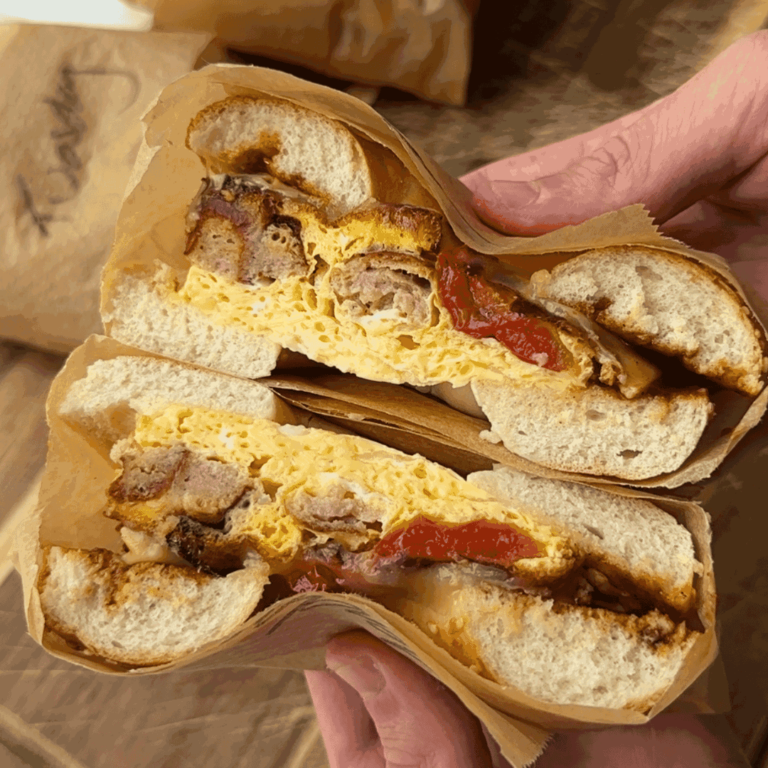
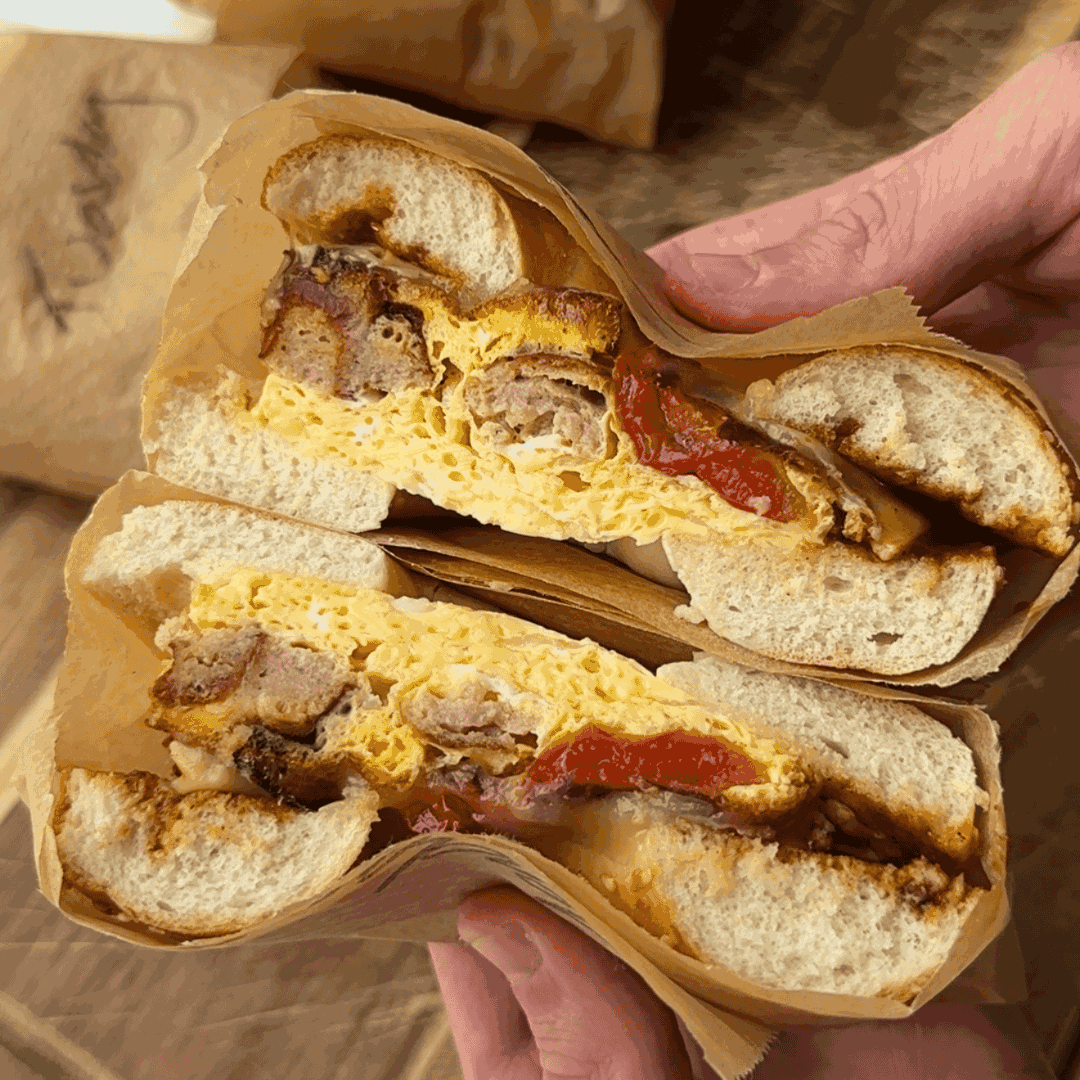
- 5 high-protein breakfast bagels
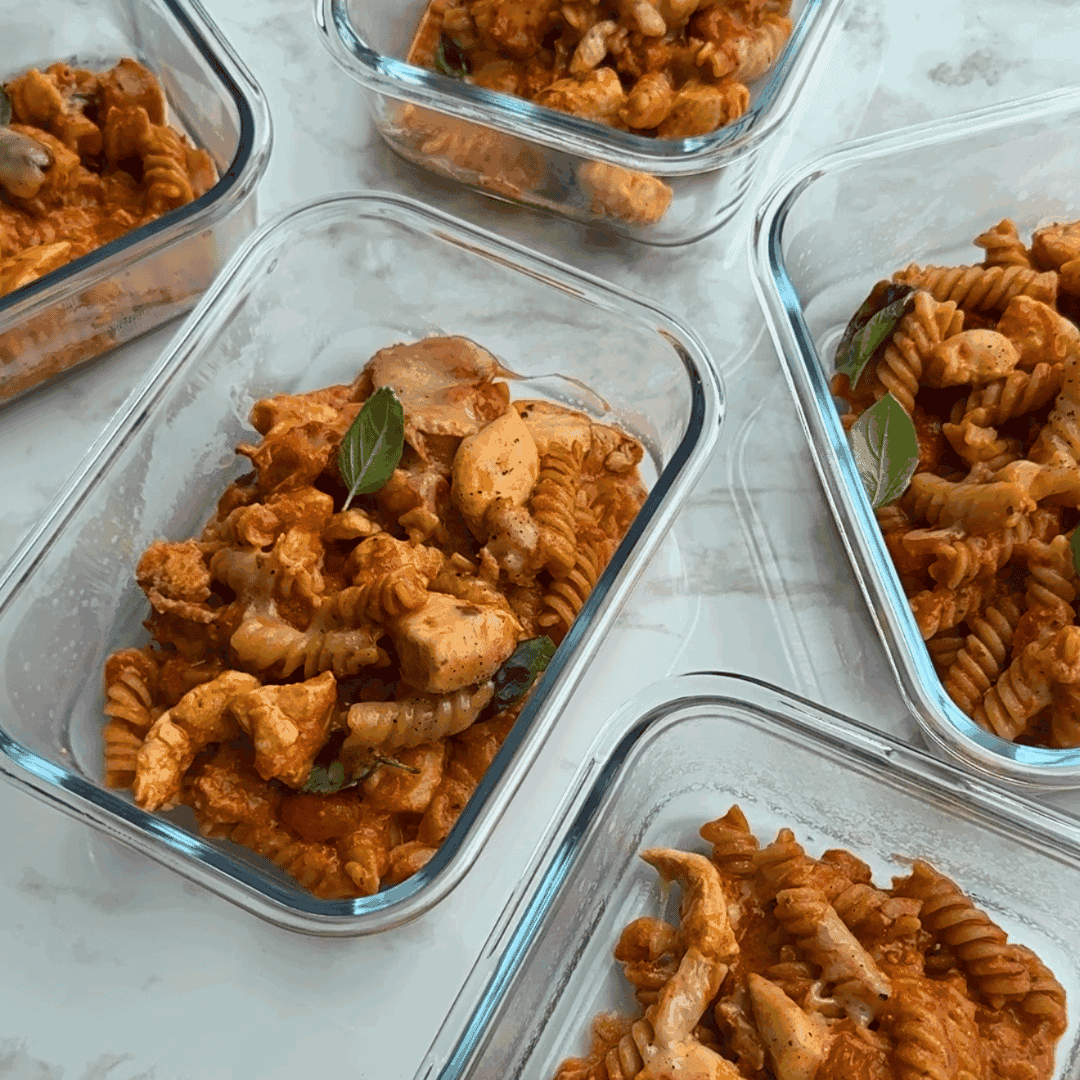
- 5 one-pan chicken sausage pasta lunches
- 4 portions of slow cooker Thai basil chicken
That’s breakfast and lunch sorted for the working week, plus dinner for the family for one night (or four meal prep dinners if you’re cooking for one). The aim wasn’t to create complicated recipes or buy lots of unusual ingredients. It was simply about making ingredients work harder.
The £25 Lidl Challenge
When you’re shopping on a budget, the biggest mistake is usually buying ingredients for just one meal. You might buy a pack of chicken for dinner, a bag of salad for lunch, some breakfast items and a few snacks (and suddenly you’ve spent £40 or £50 without realising!!)
Instead, I planned meals around ingredients that could be used across several dishes. For example:
- Eggs became the base of my breakfast bagels.
- Sausages were used in both breakfast and lunch.
- Chicken was stretched across two different meals.
- Herbs, spices and cupboard staples helped transform simple ingredients into flavour-packed dishes.
The key is not just looking at the price of an individual ingredient. It’s looking at how many meals that ingredient can create. A £3 pack of chicken might seem expensive, but if it creates five lunches, it suddenly becomes much better value.
My Lidl Shopping List
Here’s everything I bought:
Protein & Dairy
Chicken Breast Mini Fillets – £3.69
450g chicken thighs – £3.89
12 eggs – £1.79
8 Sausages – £1.49
Cottage cheese – £1.29
Cheese slices – £1.35
Creme fraiche – £0.49
Carbohydrates
5 bagels – £0.98
Fusilli pasta – £0.72
Fruit and vegetables
Cherry tomatoes – £0.76
Red pepper – £0.70
Mushrooms – £0.75
Cupboard ingredients and sauces
Chopped tomatoes – £0.45
Fish sauce/oyster sauce – £1.69
Orange juice – £1.79
Some of these ingredients were not used entirely in these meals, meaning there was still plenty left for future recipes. I also used cupboard staples I already had at home, such as:
- Salt and pepper
- Dried herbs and spices (like oregano and chilli flakes)
- Chicken stock cubes
- Soy sauce
- Cornflour
- Tomato puree
- Olive oil
- Basmati rice
- Honey
I also had fresh garlic and basil in the house too. These ingredients are exactly why having a decent cupboard of basics can make such a difference. You don’t need to buy every single ingredient from scratch every time you cook. A few simple staples can completely change a budget meal.

MEAL PREP MADE EASIER
PREORDER NOW
Breakfast: High Protein Breakfast Bagels
Breakfast is often where costs can quickly add up, especially if you’re grabbing food on the go. These high protein breakfast bagels cost just £5.84 for five portions (around £1.17 each). Making them a filling and budget-friendly option for meal prep. They’re also so easy to customise. Swap the sausages for bacon, add spinach, use a different cheese or throw in any leftover vegetables you have in the fridge.
Lunch: One Pan Chicken Sausage Pasta
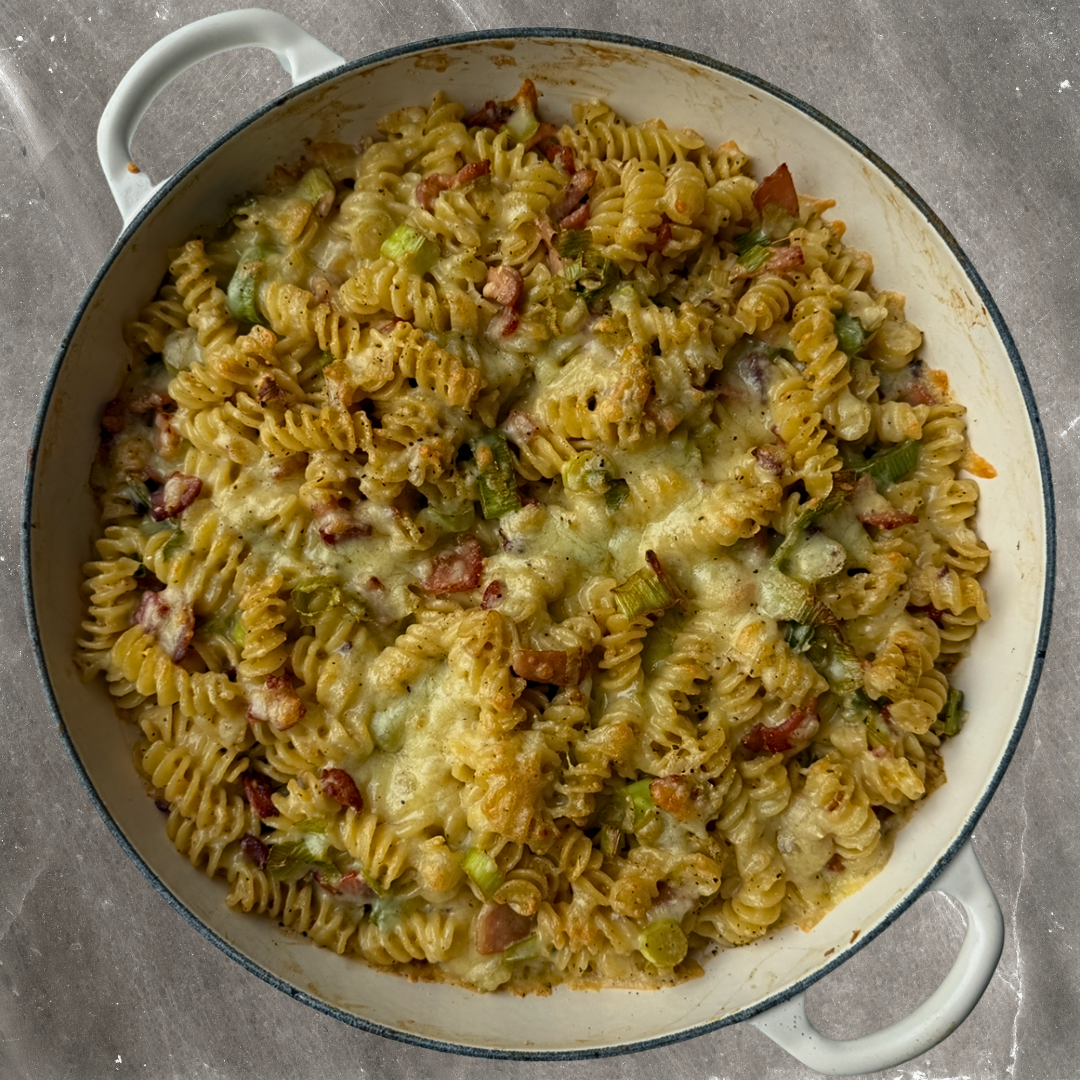
Lunch is one of the easiest meals to save money on. Instead of spending around £5 a day on a meal deal, this one-pan chicken sausage pasta costs just £7.38 to make, working out at £1.48 per portion. It’s filling, packed with flavour and only uses one pan, so there’s less washing up too.
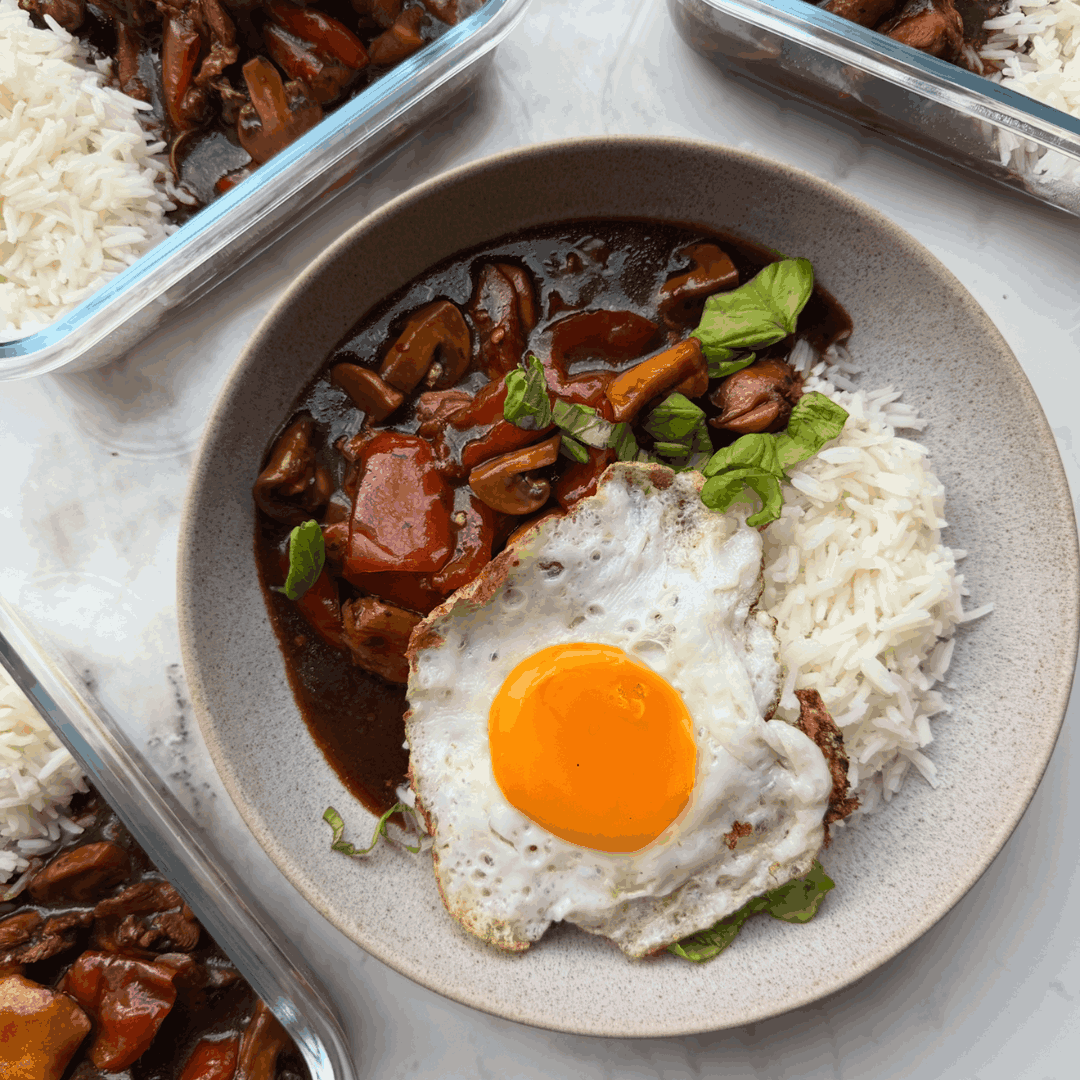
Dinner: Slow Cooker Thai Basil Chicken
Budget dinners don’t have to be boring. This slow cooker Thai basil chicken is inspired by one of my favourite takeaways and costs just £11.20 for four generous portions (£2.80 each). Using affordable chicken thighs and simple cupboard staples like soy sauce, garlic, honey and chilli, it’s an easy fakeaway that’s full of flavour without the takeaway price tag.
The Importance of Cupboard Staples
One thing I think is often overlooked when talking about budget cooking is the value of having a stocked cupboard. People often focus only on the fresh ingredients they buy each week, but the items you already have at home can make a huge difference. Things like:
- Dried herbs
- Spices
- Stock cubes
- Rice
- Pasta
- Tinned tomatoes
- Sauces
- Seasonings
can help you create countless different meals. A packet of chicken might become a curry one week, a pasta dish the next, or a stir fry another time. You don’t need a huge cupboard full of expensive products. Just a few reliable basics can help you make cheaper ingredients taste amazing.
How I Made £25 Stretch Further
The biggest lesson from this challenge was that planning matters more than spending. Before going shopping, I knew exactly what meals I wanted to create. That meant I wasn’t walking around Lidl adding random things to my basket. I focused on:
- Buying ingredients that overlap
- Chicken, sausages, eggs and cheese were used across multiple meals.
- Choosing affordable protein sources
Protein can often be one of the most expensive parts of a shop, but eggs, chicken thighs and sausages can help keep costs down.
Can You Really Eat Well for Under £25?
The answer is yes – but it does require a bit more thought. A £25 shop won’t look the same for everyone. Prices vary between stores, locations and offers, and you may already have different ingredients at home.
But the idea remains the same: A smaller budget doesn’t mean you have to sacrifice flavour, variety or protein.
By planning meals before shopping, choosing ingredients that work across different recipes and making use of cupboard staples, you can create a lot more food than you might expect. Budget cooking doesn’t have to be about restriction. It’s about being creative, making ingredients stretch and getting the most value from what you buy.
With food prices continuing to rise, small changes like this can make a big difference.
Sometimes £25 can go much further than you think.
Happy cooking!
Nathan
COMING THIS DECEMBER
PREORDER NOW
Join the newsletter
Subscribe to the BoL newsletter for exclusive recipes, exciting competitions, and much more!