OUT NOW: Bored of Lunch 12 Week Meal Planner 📝
BUY NOWBlog / How to Get More Fibre Into Your Diet: Easy High Fibre Recipes
How to Get More Fibre Into Your Diet: Easy High Fibre Recipes
If you’re trying to eat healthier, chances are you’re focusing on protein or calories. But one nutrient most people in the UK aren’t getting enough of is fibre. Adults in the UK are advised to aim for around 30g of fibre per day, yet the average intake sits closer to 18–20g.
Adding more fibre doesn’t mean boring food or dieting. With the right meals and simple recipe swaps, increasing fibre can be easy.
Why Fibre Is Important in Everyday Meals
Fibre is found in plant-based foods such as:
- Vegetables
- Fruit
- Beans and lentils
- Wholegrains
- Nuts and seeds
There are two main types:
- Soluble fibre – helps slow digestion and supports steady blood sugar levels
- Insoluble fibre – supports healthy digestion and regularity
High fibre meals tend to be more filling, which can help reduce snacking and overeating. If you constantly feel hungry, it’s often not a calorie issue – it’s a fibre issue.
How to Add More Fibre to Your Diet (Simple UK Swaps)
You don’t need complicated health protocols. Start with these simple changes.
1. Choose Wholegrain Options
Switching refined carbs for wholegrains is one of the easiest ways to boost fibre intake. Try swapping:
- White wraps → wholemeal wraps
- White pasta → wholewheat pasta
- White rice → brown rice or mixed grains
- White bread → seeded or wholemeal bread
One simple swap can add 4–6g of fibre per meal.
2. Add Beans and Lentils to Recipes
Beans and lentils are among the highest fibre foods available — and they’re budget-friendly. Add them to:
- Chilli
- Bolognese
- Tacos
- Curries
- Soups
Even half a tin added to a meal can increase fibre significantly without changing the flavour.
3. Build Fibre Into Every Meal
Instead of thinking about fibre once a day, include it in every meal:
- Oats at breakfast
- Wholemeal wraps at lunch
- Beans or vegetables at dinner
Small additions across the day make hitting 30g much easier.
High-Fibre Recipes from Bored of Lunch
These Bored of Lunch recipes are naturally higher in fibre thanks to beans, lentils, vegetables and wholegrains.
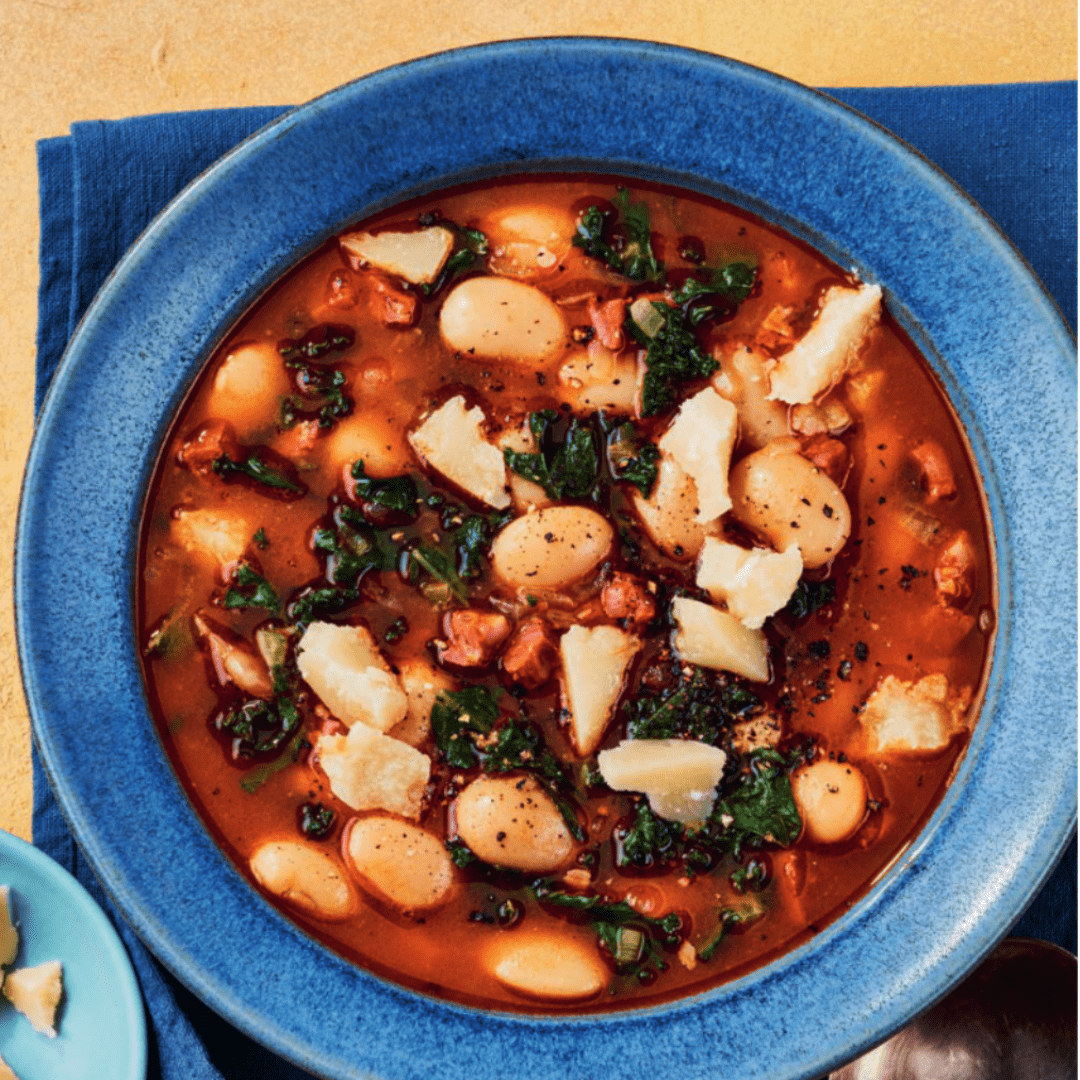
Chorizo & Butter Bean Soup
This recipe is high in fibre mainly thanks to the two tins of butter beans, which are naturally rich in plant-based fibre. Beans are one of the best fibre sources you can add to a meal, and with around 6-7g of fibre per 100g. Because the base of the dish is built around beans and vegetables rather than refined carbs, it’s a filling, gut-friendly option that helps support digestion and keeps you fuller for longer.
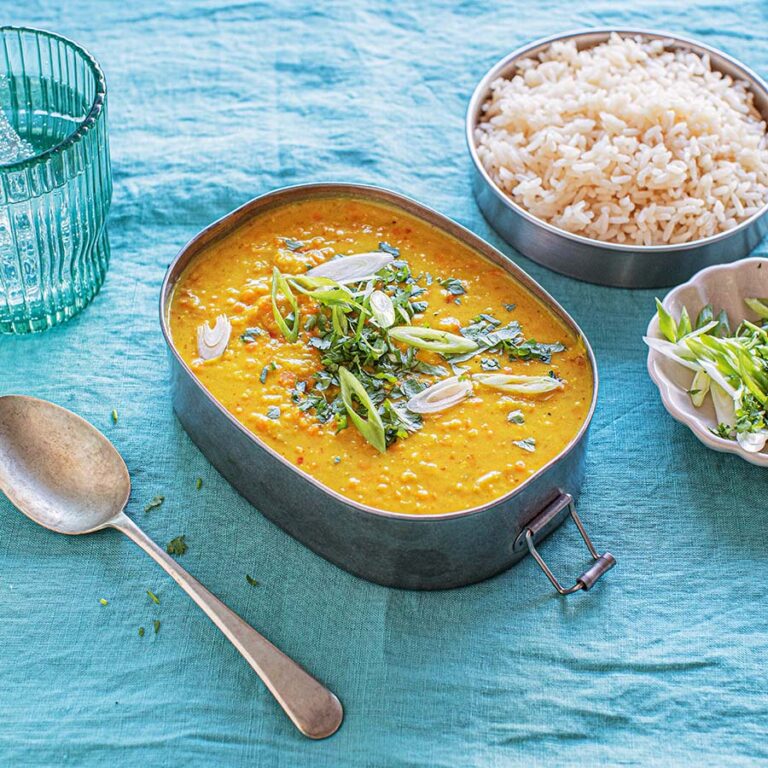
Slow Cooker Red Lentil Dhal
This Red Lentil Dhal is high in fibre mainly because of the dried red lentils, which are naturally rich in plant-based fibre. Lentils provide both soluble and insoluble fibre, helping to support healthy digestion, keep you feeling full for longer, and contribute to the recommended 30g of fibre per day for adults in the UK.

Air Fryer Vegetarian Tacos
These vegetarian tacos are high In fibre because of the black beans. Two cans of black beans provide a substantial amount, helping support healthy digestion, keep you fuller for longer, and contribute to the recommended 30g of fibre per day for adults in the UK.

Halloumi & Egg Breakfast Pots
Baked beans are naturally rich in soluble fibre, which helps with digestion and keeps you feeling fuller for longer, while also supporting heart health. The 100g of spinach adds extra fibre as well as vitamins and minerals, making the dish more nutrient-dense.

slow cooker sausage and bean casserole
This Sausage and Bean Casserole is high in fibre mainly because of the two tins of baked beans, which are naturally packed with plant-based fibre that helps support digestion, keeps you fuller for longer, and contributes to the recommended 30g of fibre per day for adults in the UK. The red pepper and onion add extra fibre as well as vitamins and antioxidants, making the dish more nutrient-dense.
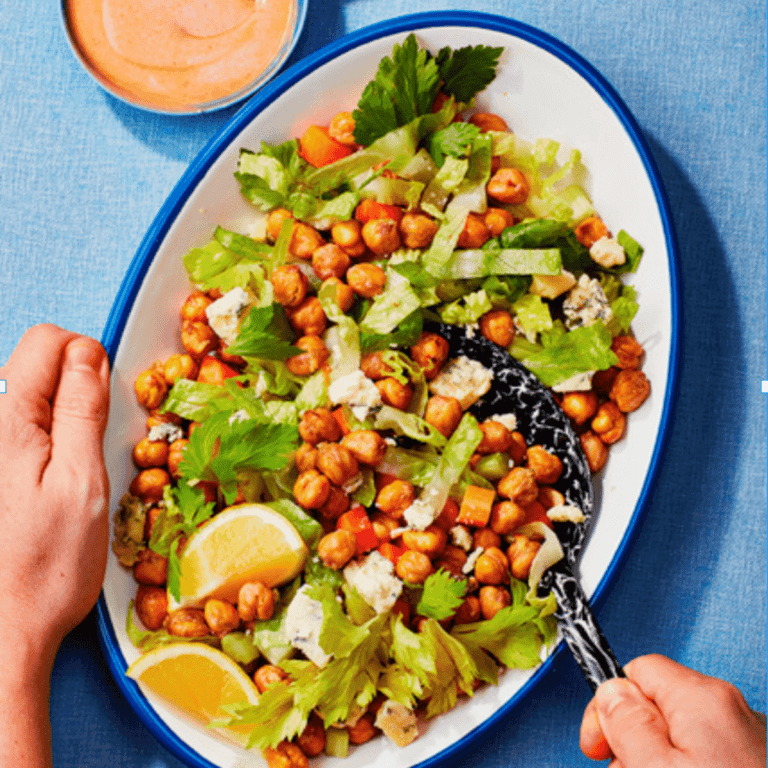
Chickpea Buffalo Salad
Chickpeas are naturally rich in plant-based fibre, which helps support digestion, keeps you fuller for longer, and contributes to the recommended 30g of fibre per day for adults in the UK. The carrot, celery, and shredded lettuce add extra fibre along with vitamins and minerals, making this a filling, gut-friendly meal that’s both nutritious and satisfying.
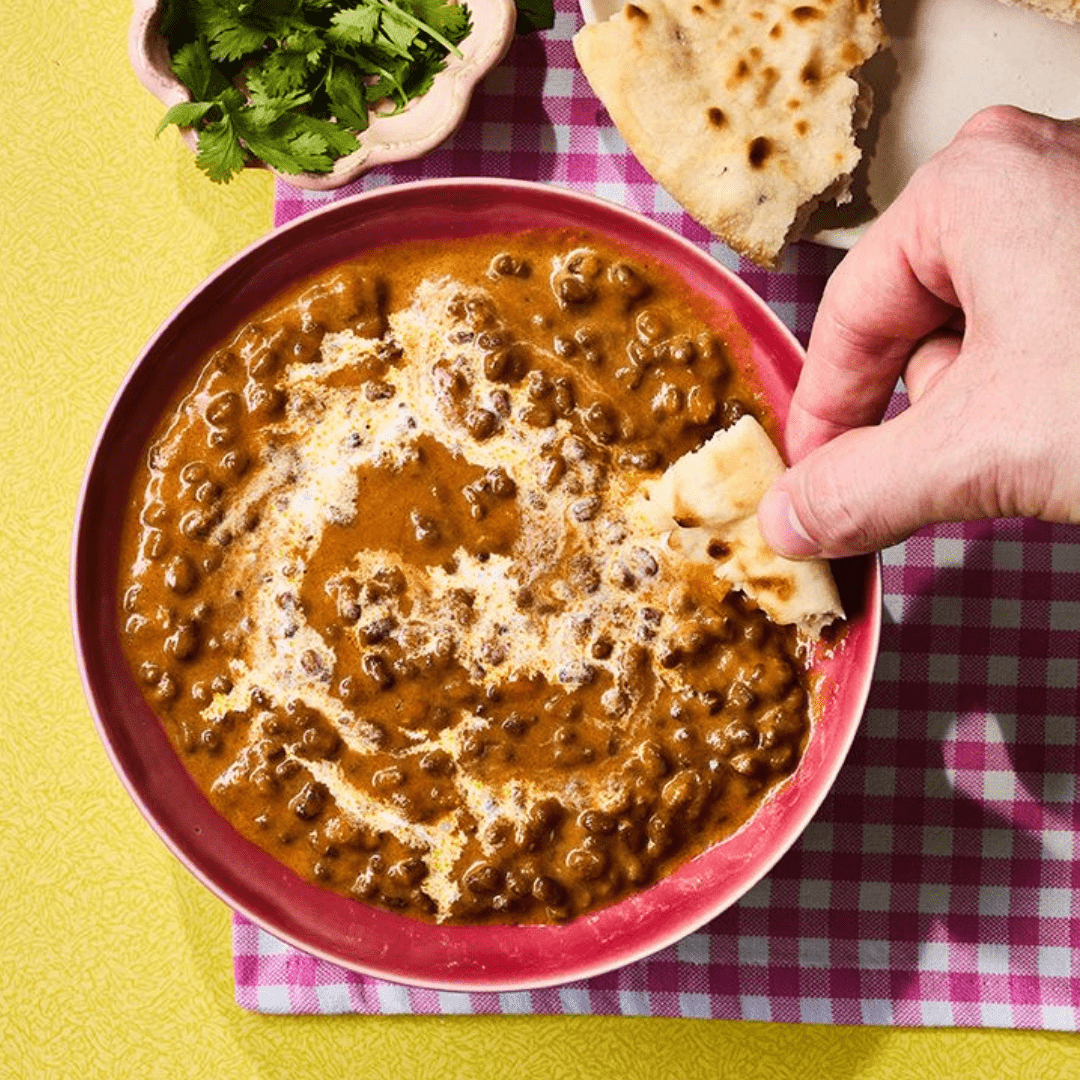
Slow Cooker Black Lentil Dhal
Lentils are one of the best plant-based sources of fibre, providing both soluble and insoluble fibre, which helps support digestion, keeps you full for longer, and can help manage cholesterol levels. With 250g of dried lentils, this recipe delivers a substantial fibre boost in every serving. The passata adds a small amount of extra fibre along with vitamins and antioxidants, making this a filling, gut-friendly meal that’s both nutritious and satisfying.
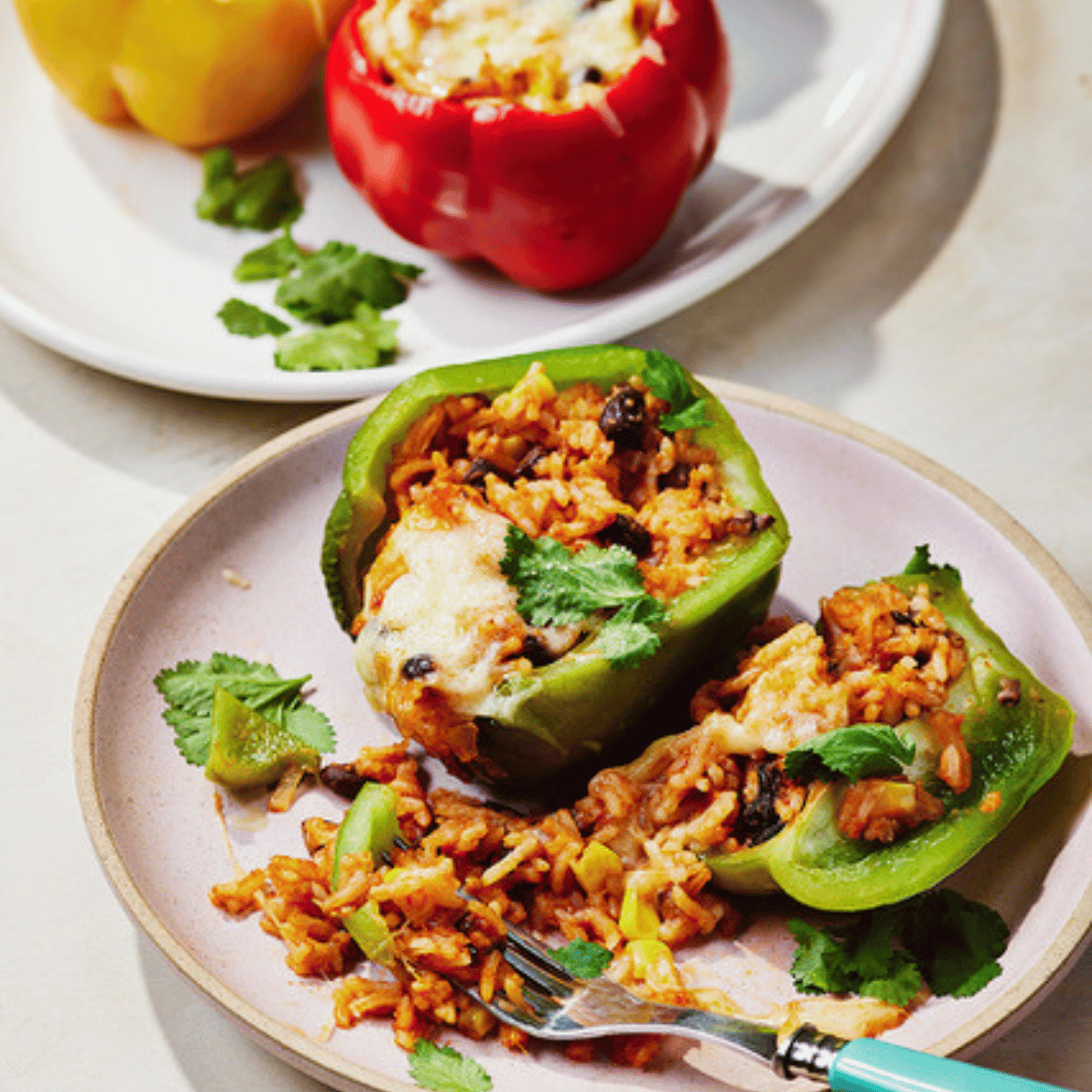
Air Fryer Stuffed Peppers
Black beans are naturally rich in plant-based fibre, which supports digestion and helps keep you full for longer. Sweetcorn adds extra fibre as well as vitamins and antioxidants, while the rice contributes some fibre too, especially if you use a wholegrain variety. Combined with the vegetables in the peppers and the onion, this dish becomes a filling, fibre-rich meal that’s both satisfying and gut-friendly.
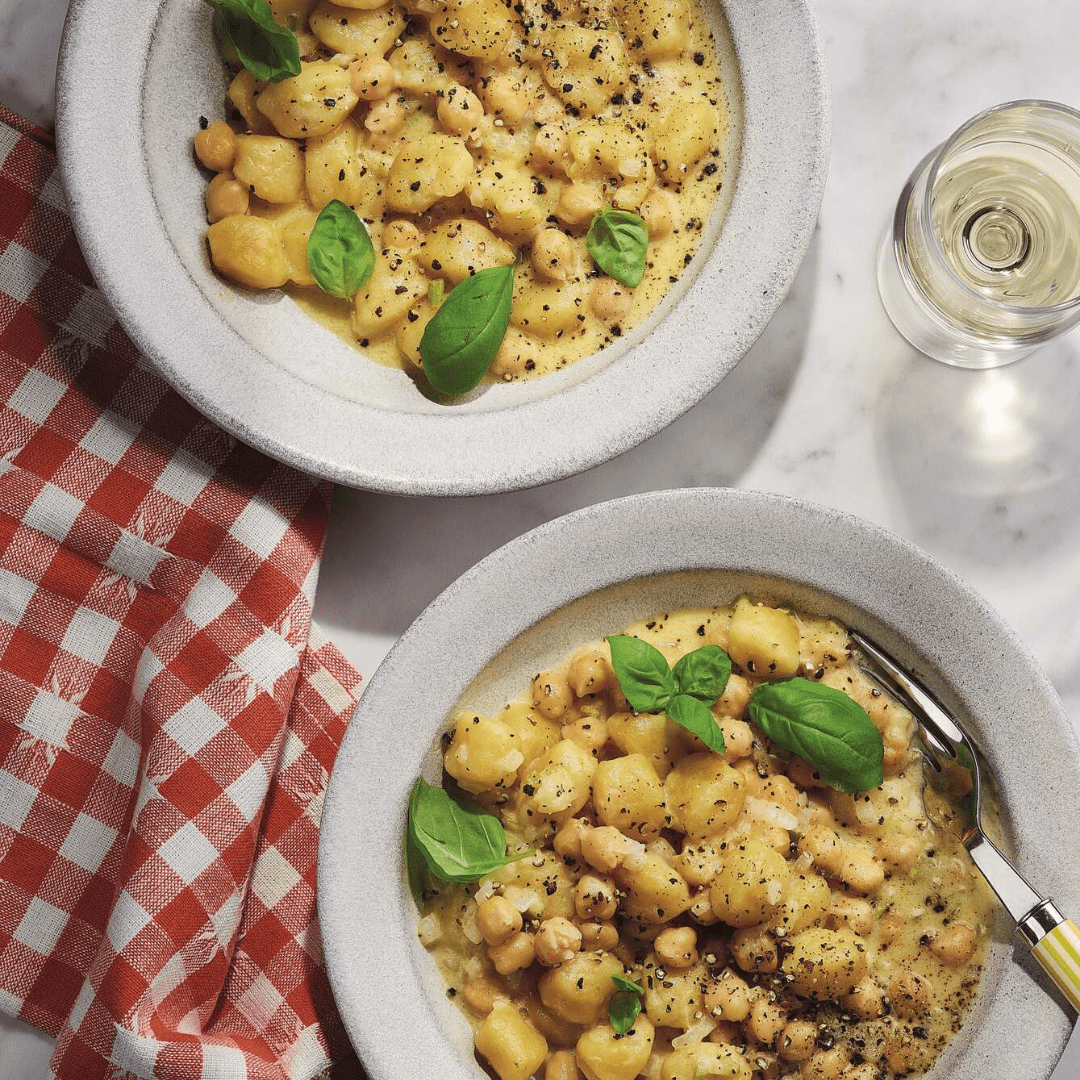
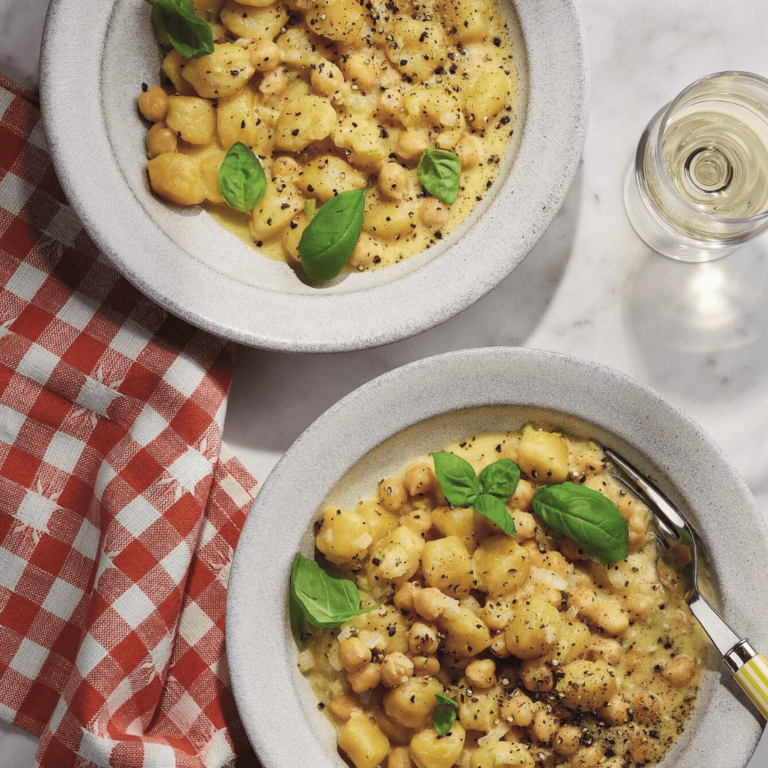
Air Fryer Cacio Pepe-Style Gnocchi & Chickpeas
Chickpeas are naturally packed with plant-based fibre, which helps support healthy digestion, keeps you feeling fuller for longer, and contributes to the recommended 30g of fibre per day for adults in the UK. The onion and celery also add a small amount of extra fibre, along with vitamins and minerals, making this dish a filling, gut-friendly meal that’s both satisfying and nutritious.
What Does 30g of Fibre Per Day Look Like?
Here’s a realistic example using balanced meals:
Breakfast:
Oats with berries and chia seeds (8–10g fibre)
Lunch:
Wholemeal wrap with chickpeas, salad and hummus (8–12g fibre)
Dinner:
Slow cooker chilli with brown rice (10–12g fibre)
That’s your daily fibre target achieved through normal, filling meals — no extreme diet required.
Common Questions About Fibre
How Much Fibre Should You Eat in the UK?
In the UK, adults are generally advised to aim for around 30 grams of fibre each day. Fibre is essential for maintaining healthy digestion, supporting gut health, and helping to regulate blood sugar and cholesterol levels. Despite these recommendations, most people fall short of their daily target, which means even small, consistent changes to your diet—like adding a portion of beans to a salad or swapping white bread for wholegrain – can have a significant impact over time. Making fibre a regular part of every meal is more effective than trying to compensate with one very high-fibre snack.
Can You Eat Too Much Fibre?
While fibre is important, it is possible to consume too much, especially if your intake is increased suddenly. A rapid rise in fibre can lead to bloating, gas, and general digestive discomfort. To avoid these issues, it’s best to increase fibre gradually, drink plenty of water to help it move through your digestive system, and spread fibre intake evenly across meals rather than consuming it all at once. This approach helps your body adjust naturally and prevents unnecessary discomfort.
Are Air Fryer and Slow Cooker Recipes Good for Fibre?
Air fryer and slow cooker recipes are excellent tools for getting more fibre into your diet. Both cooking methods make it easy to prepare vegetables, beans, and lentils in ways that retain their nutrients and maximise flavour. Slow cookers are ideal for soups, stews, and bean-based dishes, while air fryers are perfect for roasting vegetables with minimal oil, keeping them crispy and tasty. These methods also encourage batch cooking, allowing you to prepare fibre-rich meals in advance rather than relying on ultra-processed foods. By incorporating more home-cooked recipes using these appliances, it becomes easier and more enjoyable to hit your daily fibre goals.
Final Thoughts
If you want to improve your diet, feel fuller for longer and build healthier meals, fibre is one of the simplest places to start. You don’t need expensive supplements. You don’t need extreme rules.
You just need:
- More beans
- More lentils
- More wholegrains
- More vegetables
- And practical recipes that actually taste good.
Happy cooking!



Join the newsletter
Subscribe to the BoL newsletter for exclusive recipes, exciting competitions, and much more!